1. What is Logistics?
1.1 Definition of Logistics in Supply Chain Management
Logistics is an essential component of supply chain management focused on the efficient forward and reverse flow of goods, services, and related information. According to the Logistics definition, it encompasses the planning, execution, and management of the movement and storage of products from the point of origin to the final destination. This involves coordinating various processes, including transportation, warehousing, inventory management, and order fulfillment.
1.2 Historical Context and Evolution of Logistics
The concept of logistics dates back to ancient times when military operations required effective supply chains. The term originated from the Greek word “logistikos,” which refers to the skilled calculation vital for handling complex operations. Historically, logistics was primarily associated with the military, organizing troop movements, supply mechanisms, and resource allocation. Over time, with the rise of commerce and trade, its application expanded to civilian sectors, becoming a pivotal element of business operations.
In the 20th century, advancements in technology and transportation revolutionized logistics. The introduction of container shipping in the 1960s dramatically improved the efficiency of moving goods internationally. Logistics evolved further with the advent of computers and the internet, enabling real-time tracking and automation of many processes. Today, logistics has transformed into a sophisticated field combining data analytics, artificial intelligence, and various technologies to streamline operations.
1.3 Types of Logistics: A Comprehensive Overview
Logistics can be categorized into various types based on the nature of operations and services provided:
- Inbound Logistics: Involves the transportation and storage of raw materials and components from suppliers to manufacturers.
- Outbound Logistics: Focuses on the movement of finished goods from manufacturers to distributors and customers.
- Third-Party Logistics (3PL): Outsourcing logistics services to external providers who manage part or all of a company’s supply chain operations.
- Military Logistics: Specializes in the supply and distribution of military equipment and resources to armed forces.
- Sustainable Logistics: Aims to minimize the environmental impact of logistics operations while maintaining efficiency.
2. Importance of Logistics in Business Operations
2.1 Enhancing Efficiency and Reducing Costs
Efficient logistics management directly contributes to a company’s bottom line. By optimizing transportation routes, improving warehouse utilization, and employing just-in-time (JIT) inventory practices, businesses can significantly reduce operational costs. Efficient logistics leads to lower transportation expenses, decreased inventory carrying costs, and enhanced resource allocation.
For example, a company that implements JIT inventory minimizes the amount of stock on hand, reducing warehousing costs while ensuring that products are available when needed. Moreover, advanced logistics solutions can utilize data analytics to identify inefficiencies and suggest cost-saving measures, enhancing overall operational efficiency.
2.2 Logistics and Customer Satisfaction
Logistics directly impacts customer satisfaction by ensuring that products reach consumers in a timely and reliable manner. A well-coordinated logistics strategy can lead to improved order accuracy and faster delivery times, ultimately resulting in higher customer loyalty.
For instance, companies that offer real-time tracking information allow customers to monitor their orders’ status, vastly improving the customer experience. Furthermore, positive logistics outcomes contribute to a stronger brand reputation, as timely and reliable deliveries are often seen as indicative of overall company quality.
2.3 Impact of Logistics on Market Competitiveness
The effectiveness of an organization’s logistics can be a significant competitive advantage in today’s fast-paced markets. Companies that excel in logistics can respond quickly to market changes, adapt to consumer demand, and minimize lead times, giving them an edge over competitors.
Strategically streamlined logistics processes allow organizations to introduce new products faster, explore new markets, and enhance their service offerings. Consequently, efficient logistics practices position a company as a leader within its industry, attracting new business opportunities and customers.
3. Key Components of Logistics Management
3.1 Transportation Logistics: Methods and Challenges
Transportation logistics is a critical aspect of logistics management, involving the movement of goods from one location to another. Several methods play a pivotal role in transportation logistics:
- Road Transport: Customary for local deliveries, road transport offers flexibility and direct access to final destinations.
- Rail Transport: Suited for transporting bulk goods over long distances, rail transport is often more economical for heavy cargo.
- Air Transport: Provides the fastest delivery for high-value goods, but comes with higher costs.
- Maritime Transport: Essential for international trade, shipping containers by sea is cost-effective for large volumes but is slower than air transport.
Despite these methods’ strengths, transportation logistics face various challenges, including fuel costs, regulatory compliance, capacity constraints, and changing global trade policies. A successful logistics strategy must navigate these challenges through effective planning, negotiations, and technology integration.
3.2 Warehousing Logistics: Types and Best Practices
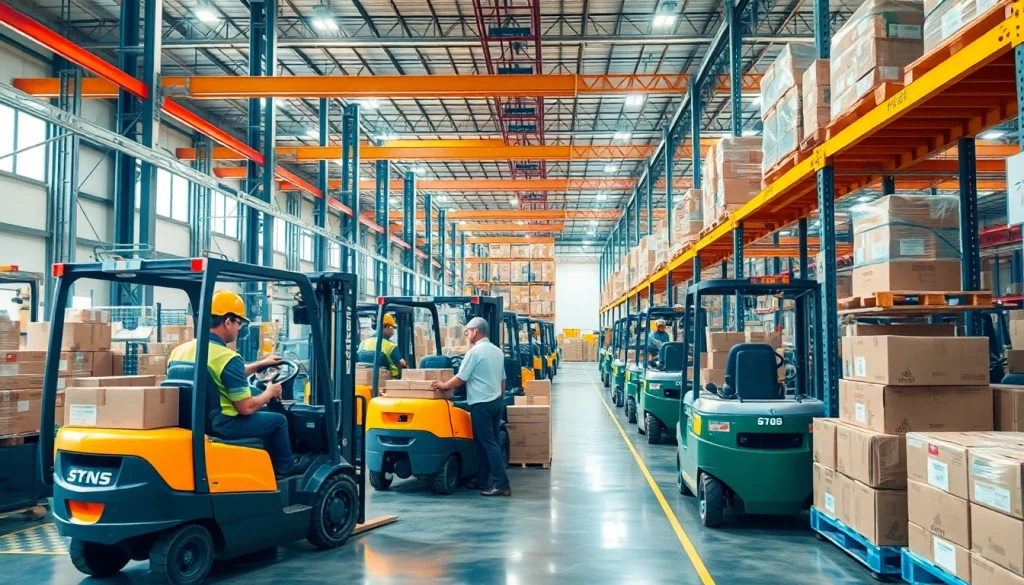
Warehouse logistics encompasses storage, inventory management, and order fulfillment processes. Warehouses can take various forms, including:
- Distribution Centers: Focus on receiving large quantities of products and redistributing them to various locations.
- Fulfillment Centers: Aims at picking, packing, and shipping products directly to customers, often used by e-commerce companies.
- Public Warehouses: Owned by third parties and rented by businesses in need of storage space.
- Private Warehouses: Owned and operated by companies, providing dedicated storage solutions.
To enhance warehouse efficiency, companies can adopt best practices like employing warehouse management systems (WMS), utilizing automated picking and storage solutions, and implementing inventory tracking technologies. These strategies not only improve accuracy but also reduce time spent on order fulfillment.
3.3 Information Systems in Logistics Management
Information systems play a crucial role in logistics management by facilitating real-time data access and enhancing decision-making. Various systems are employed, including:
- Transportation Management Systems (TMS): Aid in planning, executing, and optimizing the movement of goods.
- Warehouse Management Systems (WMS): Enable efficient warehouse operations and inventory tracking.
- Enterprise Resource Planning (ERP): Integrates various business functions, including finance, HR, and logistics, for cohesive management.
By leveraging these information systems, companies can gain visibility into their operations, track shipments, optimize routes, and manage inventory levels, ultimately leading to enhanced efficiency and improved service delivery.
4. Challenges in Logistics and Supply Chain
4.1 Navigating Global Supply Chain Issues
Global supply chains are increasingly vulnerable to disruptions due to geopolitical tensions, natural disasters, and pandemics. For instance, the COVID-19 pandemic caused significant delays and shortages across industries worldwide.
Addressing these challenges requires companies to develop agile supply chains capable of quickly adapting to changing circumstances. Strategies could include diversifying supplier bases, maintaining strategic inventory reserves, and investing in technology to enhance visibility across the supply chain. Such measures can mitigate risks and enhance resilience in uncertain times.
4.2 Managing Risks and Uncertainties in Logistics
Logistics operations inherently involve various risks, including transportation delays, theft, product damage, and compliance issues. Businesses must incorporate risk management strategies that identify potential risks and develop contingency plans.
Implementing thorough training for logistics personnel, utilizing tracking technologies, and maintaining comprehensive insurance coverage are essential steps in managing these risks effectively, thus ensuring the continuity of operations and safeguarding assets.
4.3 Innovations and Technology in Overcoming Logistics Challenges
Continuous innovation in logistics is vital for overcoming industry challenges. Technologies such as the Internet of Things (IoT), blockchain, and artificial intelligence are transforming logistics processes by providing better tracking, transparency, and efficiency. For example, IoT devices can monitor shipping conditions in real-time, while blockchain technology helps ensure the integrity of transactions and data sharing across the supply chain.
Embracing these innovations can help businesses enhance operational performance, reduce costs, and maintain a competitive advantage in the rapidly evolving logistics landscape.
5. Future Trends in Logistics and Supply Chain Management
5.1 Sustainable Logistics Practices
Sustainability is becoming a significant concern in logistics, with many companies striving to reduce their carbon footprint. Sustainable logistics practices may include optimizing transportation routes to reduce fuel consumption, using eco-friendly packaging, and investing in renewable energy sources for facilities.
Implementing sustainability initiatives not only benefits the environment but can also improve brand image, meet regulatory requirements, and respond to increasing consumer demand for environmentally responsible practices.
5.2 The Role of AI and Automation in Logistics
Artificial intelligence and automation are set to transform logistics operations profoundly. AI can analyze vast amounts of data to identify patterns and optimize logistics decisions, such as demand forecasting and inventory management. Meanwhile, automation technologies, like robotics and drones, streamline warehouse operations and improve accuracy in product handling.
As these technologies continue to advance, they will increasingly enable companies to operate more efficiently, reducing costs and improving service levels.
5.3 Preparing for the Future of Global Logistics
To remain competitive in the global logistics environment, businesses need to embrace change and adapt continuously. This includes investing in technology, developing flexible operations, and maintaining a focus on customer-centric approaches. Furthermore, organizations should build relationships with reliable partners across their supply chain to ensure collaborative responses to changing market demands.
By proactively preparing for the future of logistics, companies can position themselves not just to survive but to thrive in an ever-changing landscape.