




Understanding Dermaplane Facial
What is Dermaplane Facial?
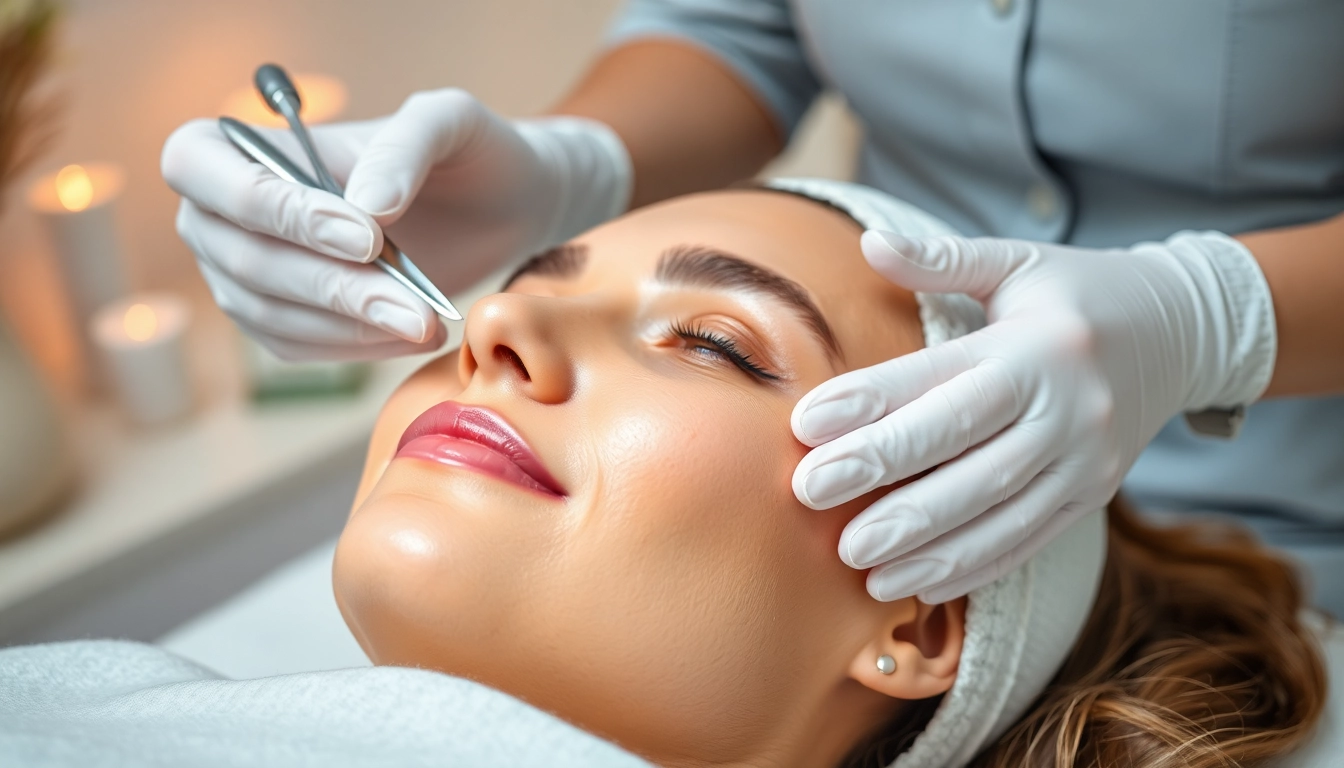
The Dermaplane Facial is a minimally invasive skin treatment that involves gently exfoliating the skin’s surface using a specialized surgical scalpel. This process effectively removes dead skin cells and fine vellus hair, commonly referred to as “peach fuzz.” By eliminating these layers, the treatment promotes smoother skin texture and allows for better absorption of skincare products and makeup. Additionally, this procedure is often praised for its immediate and visible results, making it a popular choice for those seeking a quick skin rejuvenation method. For more detailed information, you can explore this Dermaplane Facial.
Key Benefits of Dermaplane Facial
The Dermaplane Facial offers a multitude of benefits that contribute to the overall appearance and health of the skin. Here are some of the primary advantages:
- Enhanced Skin Texture: By removing the top layer of dead skin, patients often experience a noticeable improvement in skin smoothness and softness.
- Immediate Brightness: The treatment reveals a fresher complexion that can appear brighter and revitalized almost instantly.
- Better Product Absorption: With dead skin cells cleared away, skincare products can penetrate deeper, making them more effective.
- Reduction in Acne Scarring: The exfoliation process can help diminish the appearance of acne scars and other blemishes.
- Safe for Most Skin Types: Dermaplaning is a gentle procedure, making it suitable for various skin types, including sensitive skin.
Ideal Candidates for Dermaplane Facial
The Dermaplane Facial is ideal for individuals looking to enhance their skin’s appearance without undergoing more invasive procedures. Suitable candidates include:
- Those with dry or flaky skin who want a refreshed look.
- Individuals with mild acne scarring or uneven skin tone.
- Anyone seeking a quick pre-event glow.
- Individuals wanting smoother skin for better makeup application.
- Those wary of harsh chemical treatments or peels.
The Dermaplane Facial Procedure
What to Expect During a Dermaplane Facial
Upon arrival at your skincare provider’s facility, expect to undergo a thorough skin examination to determine if the Dermaplane Facial is suitable for you. The treatment itself usually lasts around 30 to 45 minutes and involves the following steps:
- Preparation: The skin is cleansed to remove any surface impurities.
- Exfoliation: Using a sterile surgical scalpel, a trained professional gently scrapes away dead skin cells and fine hair in a controlled manner.
- Post-treatment Care: After exfoliation, a soothing serum or moisturizer may be applied to hydrate and protect your newly treated skin.
The procedure is generally painless and often described as feeling like a light scraping sensation. Immediately following the facial, your skin will likely look and feel rejuvenated.
Post-Treatment Care for Dermaplane Facial
Proper post-treatment care is essential to optimize results and maintain healthy skin. Here are some recommendations:
- Apply a gentle moisturizer to keep the skin hydrated.
- Avoid sun exposure and always use sunscreen to protect delicate skin.
- Refrain from using harsh skincare products, such as exfoliants or retinoids, for at least a few days.
- Keep the skin clean and avoid heavy makeup for a day or two.
Common Myths about Dermaplane Facial
As with many beauty treatments, certain myths surround the Dermaplane Facial. Here are a few common misconceptions and the truths behind them:
- Myth: Dermaplaning makes hair grow back thicker.
- Truth: The process does not change the texture or growth rate of hair.
- Myth: Dermaplaning is painful.
- Truth: Most patients report that the procedure is comfortable and painless.
- Myth: Dermaplaning is only for women.
- Truth: This treatment can also benefit men and individuals of all skin types.
Comparing Dermaplane Facial with Other Treatments
Dermaplane Facial vs. Microdermabrasion
Both Dermaplane Facial and microdermabrasion serve as effective exfoliation techniques but differ significantly:
- Technique: Dermaplaning uses a surgical scalpel, while microdermabrasion uses a mechanical device that sprays crystal or diamond tips onto the skin.
- Skin Depth: Dermaplaning is gentler and primarily addresses surface-level exfoliation, whereas microdermabrasion can penetrate deeper into the dermal layers.
- Pain Level: Patients usually find dermaplaning more comfortable compared to microdermabrasion, which can sometimes cause mild discomfort.
Dermaplane Facial vs. Chemical Peels
While both treatments help improve skin texture and tone, they employ entirely different methodologies:
- Process: Chemical peels utilize acids to exfoliate the skin, whereas Dermaplane Facial physically removes dead skin cells.
- Recovery: Dermaplaning requires minimal downtime, while chemical peels may need several days for skin recovery, depending on the strength of the peel.
- Suitability: Dermaplaning can be performed on various skin types, while certain chemical peels may not be suitable for sensitive skin.
Dermaplane Facial vs. Traditional Exfoliation
When comparing Dermaplane Facial to traditional exfoliation techniques, several differences arise:
- Effectiveness: Dermaplaning tends to yield more immediate and noticeable results than over-the-counter scrubs.
- Frequency: Traditional exfoliation can be done home-based but may lack the precision and results achieved through professional dermaplaning.
- Customization: A professional treatment often allows for adjustments based on skin type and condition, which traditional exfoliants may not provide.
Selecting the Right Provider for Dermaplane Facial
Questions to Ask Your Dermaplaning Specialist
When searching for a professional to perform your Dermaplane Facial, it’s crucial to ask the right questions, such as:
- What are your qualifications and experience in performing dermaplaning?
- How do you ensure cleanliness and safety during the procedure?
- Can I see before-and-after photos of previous clients?
- What products do you use on the skin before and after the treatment?
How to Find a Qualified Provider for Dermaplane Facial
Finding a reputable specialist can significantly influence your dermaplaning experience. Here are some tips:
- Seek referrals from friends or family who have undergone the treatment.
- Research online reviews and testimonials for insights into previous patient experiences.
- Look for licensed professionals affiliated with recognized skincare organizations.
- Verify the cleanliness and professionalism of the facility during your consultation.
Evaluating Dermaplane Facial Reviews and Testimonials
When assessing reviews and testimonials, consider the following:
- Look for comments on the overall experience, including comfort and post-treatment results.
- Pay attention to feedback related to the ambiance and staff professionalism at the facility.
- Be cautious of overly positive reviews that may not reflect the true patient experience; balance is key.
Frequently Asked Questions About Dermaplane Facial
What should I do before a Dermaplane Facial?
Prior to your dermaplaning session, ensure your skin is free from makeup and any active skincare treatments. You may also want to avoid sun exposure and harsh products for a few days leading up to your appointment.
How long do the effects of Dermaplane Facial last?
The results from a Dermaplane Facial can last anywhere from three to four weeks. To maintain visible results, it’s advised to have treatments done every 4-6 weeks, depending on skin type and needs.
Can I have a Dermaplane Facial if I have acne?
Yes, individuals with mild acne can typically undergo dermaplaning. However, those with active, inflamed acne or specific skin conditions should consult a professional to determine suitability.
Are there any side effects of Dermaplane Facial?
Potential side effects are minimal, but may include temporary redness or sensitivity following the treatment. It is generally considered a low-risk procedure with little downtime.
How often can I get a Dermaplane Facial?
Most skincare professionals recommend scheduling dermaplaning sessions every 4-6 weeks. This frequency helps maintain optimal skin health and appearance without over-exfoliating.



More Stories
Hair Transplant Istanbul for Beginners: Everything You Need to Know for a Trusted Experience
The Hair Transplant Turkey Price Multiplier Effect on Affordable Treatment Options
Is the Best Hair Transplant Turkey Overrated? A Critical Look at 2026 Hair Restoration Options