
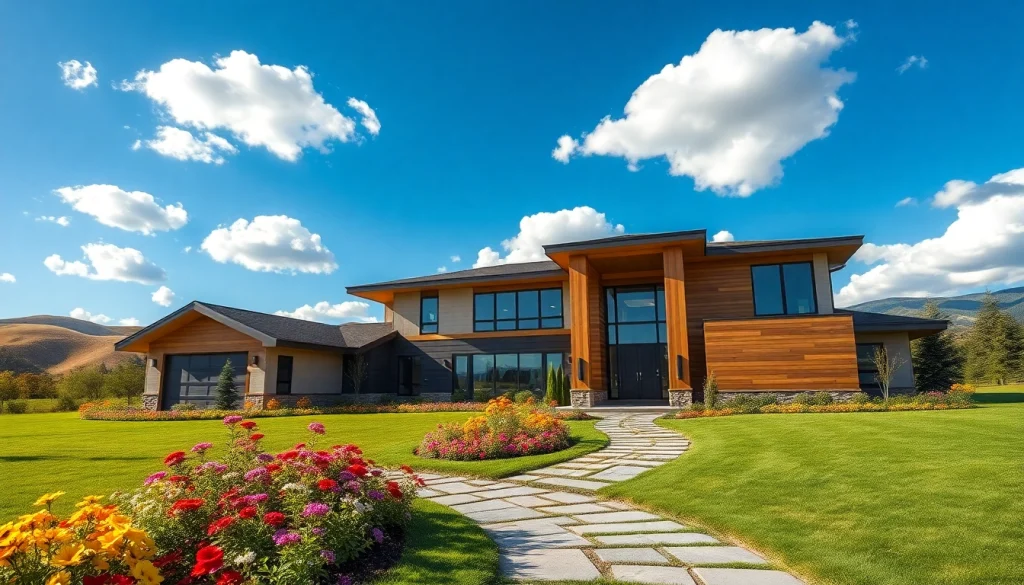
Understanding Custom Residential Architecture Services
What Are Custom Residential Architecture Services?
Custom residential architecture services involve designing and planning unique homes tailored to the individual needs and preferences of the homeowner. These services extend beyond standard designs, emphasizing a personalized approach where architects work closely with their clients to understand their lifestyle, taste, and functional requirements. Whether you are envisioning a sprawling estate, a cozy family home, or a sleek modern dwelling, these services cater to your vision.
The process typically involves a comprehensive understanding of not just architectural aesthetics, but also the surrounding environment, lifestyle choices, and sustainability goals. An architect’s expertise in zoning laws, building codes, and spatial layout plays a fundamental role in transforming your ideas into reality. For a deeper understanding of these services, explore Custom residential architecture services.
Key Benefits of Custom Designs
Investing in custom residential architecture offers countless advantages. Here are some key benefits:
- Tailored Solutions: Custom designs cater directly to your preferences, needs, and lifestyle, ensuring your home serves you well.
- Quality Over Quantity: With custom builds, there is a heightened focus on quality craftsmanship, materials, and finishing, resulting in a more durable home.
- Maximized Space Efficiency: Custom architects create designs that make the most use of available space, ensuring that every square foot meets your needs.
- Increased Resale Value: A well-designed custom home can fetch higher resale values, especially if it incorporates value-adding features or unique designs.
- Personal Satisfaction: There’s a unique satisfaction that comes from living in a space that truly reflects your identity and taste.
The Process of Creating Your Custom Home
Initial Consultation and Visioning
The journey to your dream home starts with an initial consultation. During this stage, you will discuss your vision, needs, and budget with your architect. It’s an opportunity for the architect to understand your lifestyle, preferences, and any specific requirements you might have, such as mobility considerations or sustainability goals.
This phase often includes brainstorming sessions where you can express ideas and inspiration from existing designs, images, or even nature. Architects may provide a set of questions aimed at extracting detailed preferences, which you’ll refine further to create a cohesive vision that informs the subsequent design process.
Design Development and Approval
Once the conceptual vision is established, the next stage involves detailed design development. Your architect creates a series of drawings, floor plans, and 3D models to bring your ideas to life. This is a collaborative process that may involve several iterations to refine the design according to your feedback.
Approval is a crucial part of this process, often requiring multiple meetings and discussions to get your input on aesthetics, layout, materials, and overall functionality. Building codes and zoning regulations must also be taken into account to ensure compliance.
Construction Oversight and Management
After the design is approved, the construction phase begins. Effective oversight is vital to maintain the integrity of the design and ensure that it is executed as planned. Architects often collaborate with contractors throughout this phase, coordinating schedules, overseeing quality control, and addressing any issues that may arise.
Regular site visits and updates keep you informed on the progress and ensure that every aspect aligns with your vision. Effective communication here can significantly reduce errors and avoid costly changes later in the project.
Incorporating Sustainable Practices
Importance of Eco-Friendly Design
In today’s world, the importance of eco-friendly design practices cannot be overstated. Sustainable architecture not only adheres to environmental guidelines but also provides long-term cost savings for homeowners. Integrating sustainability within residential design helps to minimize energy consumption and reduce the carbon footprint of your home.
Additionally, eco-friendly practices promote healthier living environments. Techniques such as passive solar design, efficient ventilation systems, and the use of natural materials can contribute significantly to enhancing indoor air quality while maximizing natural light and reducing reliance on artificial lighting.
Materials and Energy Efficiency
A critical component of sustainable design is the careful selection of materials and systems that enhance energy efficiency. Architects might specify high-performance insulation, energy-efficient windows, and sustainably sourced building materials to significantly lower energy consumption.
Moreover, leveraging renewable energy sources, such as solar panels and geothermal heating systems, can provide substantial long-term savings and return on investment. Thoughtful integration of smart home technology also plays an essential role in optimizing resource usage.
Long-term Benefits of Sustainability
Beyond the immediate advantages, the long-term benefits of sustainable architecture are profound. Homes designed with sustainability in mind have lower operational costs and a reduced carbon footprint. Beyond cost savings, these homes often appeal to environmentally conscious buyers in the resale market, potentially leading to increased property values.
Furthermore, eco-friendly homes contribute to healthier neighborhoods as sustainable design practices promote biodiversity and urban greening, making for a more enjoyable living environment.
Design Styles in Custom Residential Architecture
Contemporary vs. Traditional Designs
The debate between contemporary and traditional architecture styles is a prominent theme in custom home design. Contemporary designs tend to feature open spaces, minimalistic aesthetics, and innovative materials that emphasize efficiency and sustainability. In contrast, traditional styles often reflect historical elements and craftsmanship, showcasing intricate details and warm, inviting spaces.
Your choice between these styles should align with your vision and the environment of your home. Architects can also draw inspiration from combining both styles to create a unique residence that captures the best of both worlds.
Creating Personal Style in Architecture
Your custom home should resonate with your personal style. Architects play a significant role in translating your tastes and preferences into tangible designs. This could involve an eclectic mix of modern and vintage elements or a focus on a specific cultural aesthetic.
Incorporating personal artifacts, colors, and themes can enrich your home’s design. This tailored touch not only reflects your individuality but also ensures that the space is a true representation of you and your lifestyle.
Adapting to Local Context and Environment
Your home’s design should also harmonize with its local context and environmental conditions. Sustainable design practices often call for an integration of the natural landscape into the architectural design. This could involve maximizing views, utilizing natural resources, and respecting local climate conditions.
Architects can blend the home seamlessly with the environment using local materials or designs that mimic the surrounding architecture, creating aesthetic consistency and preserving the character of the area.
FAQs about Custom Residential Architecture Services
How long does the design process take?
The design process typically takes several weeks to a few months, depending on project complexity and client feedback. Careful planning can expedite this timeline.
What factors influence the cost of services?
Factors influencing costs include the size of the home, design complexity, materials used, labor costs, and the location of the project, all impacting the overall budget.
Can I make changes during the construction phase?
Yes, homeowners can request changes during construction. However, it’s important to discuss these promptly, as they may affect the budget and timeline.
How do I find the right architect for my project?
Finding the right architect involves researching portfolios, reading reviews, and ensuring they align with your vision. Conducting interviews can be highly beneficial as well.
What should I prepare before the initial consultation?
Before the consultation, prepare a list of requirements, design ideas, and a budget range to facilitate a productive discussion with the architect.