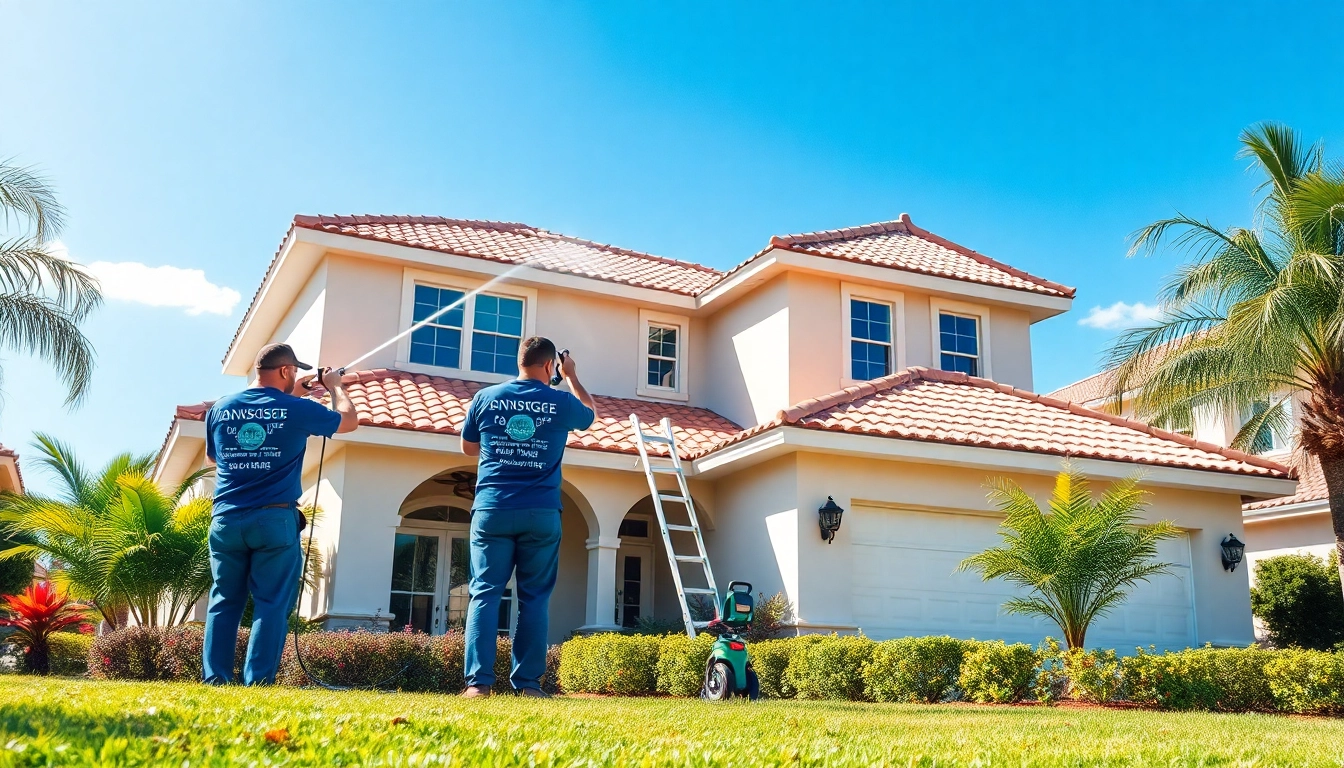
Understanding Roof Cleaning: Importance and Benefits
Keeping your home’s roof in excellent condition is vital for both aesthetic appeal and structural integrity. Roof cleaning is an essential maintenance task that not only enhances the home's appearance but also extends the lifespan of roofing materials. Regular cleaning eliminates harmful substances like algae, moss, and lichen that can damage shingles and compromise the roof's efficacy. When exploring options, roof cleaning services can provide comprehensive insights into maintaining your roof effectively.
What is Roof Cleaning and Why is it Necessary?
Roof cleaning involves the removal of debris, stains, and contaminants from the surface of your roof. This process is vital for several reasons:
- Prevention of Damage: Algae, moss, and mildew can trap moisture against the roof, leading to potential leaks and rot.
- Enhanced Curb Appeal: A clean roof significantly boosts the visual appeal of your home.
- Energy Efficiency: A clean roof reflects sunlight better, contributing to lower cooling costs during hot seasons.
Benefits of Regular Roof Cleaning for Homeowners
Homeowners who invest in regular roof cleaning can enjoy numerous benefits beyond aesthetics:
- Increased Lifespan: Regular maintenance can extend the life of roofing materials by preventing decay.
- Cost-Effectiveness: Preventative cleaning mitigates the risks of more expensive repairs down the line.
- Health Benefits: Reducing mold and bacteria growth on roofs can improve air quality, benefiting the overall health of residents.
Environmental Impact and Eco-Friendly Practices
In today's environmentally conscious world, opting for eco-friendly roof cleaning practices is paramount. Many companies now utilize biodegradable cleaning agents that are safe for the environment and effective at removing tough stains. Additionally, employing water reclamation systems helps minimize water usage, further reducing the environmental footprint of roof cleaning operations. By choosing an eco-friendly approach, homeowners can ensure that their roof maintenance aligns with sustainable practices.
Types of Roof Cleaning Methods
Different roof materials require distinct cleaning methods. Selecting the appropriate technique is essential to avoid damage while achieving optimal results.
Soft Washing vs. Traditional Pressure Washing
Two primary roof cleaning methods are soft washing and traditional pressure washing:
- Soft Washing: This method employs low-pressure water combined with specialized cleaning solutions to gently clean the roof without damaging the material. It is particularly suitable for shingles which can be easily dislodged by high-pressure systems.
- Traditional Pressure Washing: While effective on hard surfaces, this method can be too harsh for many roofing materials and could lead to unintended damage. It is generally reserved for non-roof surfaces like patios and driveways.
Choosing the Right Cleaning Method for Your Roof Type
Different roofing materials require different cleaning approaches:
- Asphalt Shingles: Soft washing is recommended to prevent granule loss.
- Metal Roofing: Can typically withstand pressure washing, but caution is still advised.
- Tile Roofs: Soft washing is also preferred to avoid breakage.
- Wood Shakes: These roofs require gentle cleaning methods to prevent splintering and damage.
Innovative Techniques in Roof Cleaning for 2025
As technology evolves, so do the methods of roof cleaning. Emerging trends include:
- Nanotechnology: New coatings that repel dirt and prevent algae growth at the molecular level.
- Drone Technology: For harder-to-reach roofs, drones equipped with cleaning apparatus can safely perform inspections and cleaning from the air.
- UV Light Technology: Utilizing UV rays to sterilize surfaces and prevent mold spores from growing.
How to Assess Your Roof’s Cleaning Needs
Understanding when and why to clean your roof is critical to maintaining its integrity and appearance throughout the years.
Signs Your Roof Needs Cleaning
There are several signs that indicate it may be time to invest in roof cleaning:
- Visible Stains: Black streaks or green patches are early signs of algae or mold growth.
- Moss Growth: Moss can retain moisture, leading to decay and leaks.
- Debris Accumulation: Leaves, branches, and dirt buildup can trap moisture.
Factors Affecting Roof Cleaning Frequency
Several factors can affect how often you should have your roof cleaned:
- Climate: Humid climates encourage mold and algae growth, necessitating more frequent cleaning.
- Tree Coverage: Homes surrounded by trees may require more frequent cleanings due to falling leaves and debris.
- Roof Material: Different materials have different cleaning needs and susceptibility to stains.
Conducting a Roof Inspection: What to Look For
Inspecting your roof regularly can help determine when cleaning is necessary. Key aspects to check include:
- Shingle integrity: Look for loose, cracked, or missing shingles.
- Moss and algae presence: Check for growth in shaded areas.
- Debris buildup: Ensure gutters and valleys are free of obstruction.
Selecting a Professional Roof Cleaning Service
When seeking professional assistance for roof cleaning, it's crucial to choose a reputable service provider who uses effective and safe methods.
Key Qualities to Look for in a Roof Cleaning Company
Choosing the right company can make all the difference. Look for the following traits:
- Experience and Expertise: Ensure that the company has a proven track record in roof cleaning.
- Insurance Coverage: Make sure they are fully insured to protect against accidents.
- Positive Reviews: Look for customer testimonials and case studies.
Questions to Ask Before Hiring a Roof Cleaning Service
Before committing to a service, ask potential contractors the following:
- What cleaning methods do you use?
- Can you provide references from past clients?
- Do you guarantee your work?
Understanding Service Costs and Pricing Structures
The cost of roof cleaning can vary based on several factors including:
- Roof size: Larger roofs will typically cost more to clean.
- Material type: Some materials require more care and may incur higher cleaning expenses.
- Condition: A heavily soiled roof may require more intensive cleaning techniques.
Maintaining Your Roof Post-Cleaning
After you’ve had your roof cleaned, proper maintenance is essential to prolong the results and ensure the longevity of your roofing system.
Best Practices for Roof Maintenance After Cleaning
To keep your roof in optimal condition following a cleaning, consider implementing these practices:
- Regular inspections: Monitor for signs of mold or algae growth.
- Gutter maintenance: Keep gutters clear of debris to ensure proper drainage.
- Limit vegetation: Trim back trees and shrubs that may trap moisture against the roof.
How to Prevent Future Algae and Moss Growth
Preventative measures can help keep your roof clean and prolong the intervals between cleaning:
- Install zinc strips: These can inhibit algae growth by releasing zinc particles during rainfall.
- Ensure proper ventilation: Good airflow prevents moisture buildup, reducing the likelihood of mold and algae growth.
- Regular trimming: Keep nearby foliage trimmed to minimize shade and moisture.
Evaluating the Long-Term Benefits of Regular Roof Maintenance
The long-term benefits of regular roof maintenance far outweigh the costs. With a clean and well-maintained roof, homeowners can enjoy:
- Improved energy efficiency leading to lower utility bills.
- Enhanced property value and curb appeal.
- Fewer costly repairs, ultimately saving money in the long run.