Understanding Window Tinting Cleveland TN
Window tinting has become a popular choice for car and property owners looking to enhance their comfort and protect their investments. Whether you're aiming to improve privacy, reduce glare, or increase aesthetic appeal, understanding the various aspects of window tinting Cleveland TN is essential. This comprehensive guide dives deeply into everything you need to know about window tinting in Cleveland, TN, including types of films, legislation, benefits, and maintenance.
What is Window Tinting?
Window tinting involves applying a thin layer of film to the interior side of glass surfaces in vehicles and buildings. This film can be made from various materials and offers varying benefits ranging from UV protection to aesthetic upgrades. The process helps to enhance the appearance of windows while serving practical functions.
Types of Window Tint Films
Window tint films come in several types, each designed for different needs. Common types include:
- Dyed Window Films: These films contain a dye that absorbs solar heat, providing privacy and reducing glare without affecting visibility too much.
- Metallic Window Films: Made with tiny metallic particles, these films help in reducing glare and heat while providing some reflectivity.
- Ceramic Window Films: These high-performance films provide excellent heat rejection, UV protection, and do not interfere with electronic devices like GPS and mobile signals.
Common Myths about Window Tinting
Despite its popularity, several misconceptions about window tinting persist. Here are a few:
- Myth 1: Window tinting makes it difficult to see at night. Fact: Quality window films are designed to minimize glare without compromising nighttime visibility.
- Myth 2: All window tints are illegal. Fact: While there are regulations, many window tint options comply with local laws.
- Myth 3: Tinted windows cause overheating. Fact: The right tint actually helps regulate temperature inside the car or home.
Benefits of Window Tinting Cleveland TN
UV Protection and Sun Safety
One of the primary benefits of window tinting is its ability to block harmful UV rays. Up to 99% of UV rays can be blocked by high-quality window films, significantly reducing the risk of skin damage and interior fading. Not only does this protect passengers' skin, but it also helps preserve the interior of your vehicle or property, extending the life of upholstery and preventing color fading.
Improved Privacy and Security
Window tinting enhances privacy by obscuring the view from outside, which is particularly beneficial in urban settings. This added layer of privacy can deter theft, as it makes it harder for potential thieves to see valuables left inside a vehicle or home. Additionally, some window films provide shatter resistance, adding an extra layer of security against break-ins.
Enhanced Aesthetic Appeal
Window tinting can dramatically improve the aesthetic of a vehicle or property. With various shades available, owners can choose a tint that complements their style. Tints can also create a sleek, polished look that may enhance resale value. Aesthetics are not just about appearance; a well-tinted vehicle can convey a sense of sophistication and care.
Choosing the Right Window Tint
Factors to Consider for Window Tinting Cleveland TN
Choosing the right window tint is vital to achieving your desired outcome. Consider the following factors:
- Purpose: Define your primary reasons for tinting—whether it's for privacy, heat reduction, UV protection, or aesthetics.
- Type of Film: Each type of film has unique properties; select one that fits your lifestyle and needs.
- Quality: Research and choose reputable brands to ensure the longevity and performance of your tint.
Legal Regulations on Tints in Cleveland
Understanding the legal landscape surrounding window tinting in Cleveland is crucial. Tennessee law specifies permissible tint levels for vehicles, which vary between passenger windows and windshields. It's essential to ensure that your window tint complies with these regulations to avoid fines and ensure roadside safety.
Comparing Different Tint Shades
Tint shades can range from very light to very dark. Light tints typically offer minimal privacy but allow more light into the interior, while darker tints provide enhanced concealment and heat rejection. It's important to consider the tint's Visible Light Transmission (VLT) percentage when making a decision, as this determines how much light can pass through the glass. Finding a balance that meets your preference and legal stipulations is key.
Installation Process for Window Tinting Cleveland TN
Step-by-Step Guide to Installation
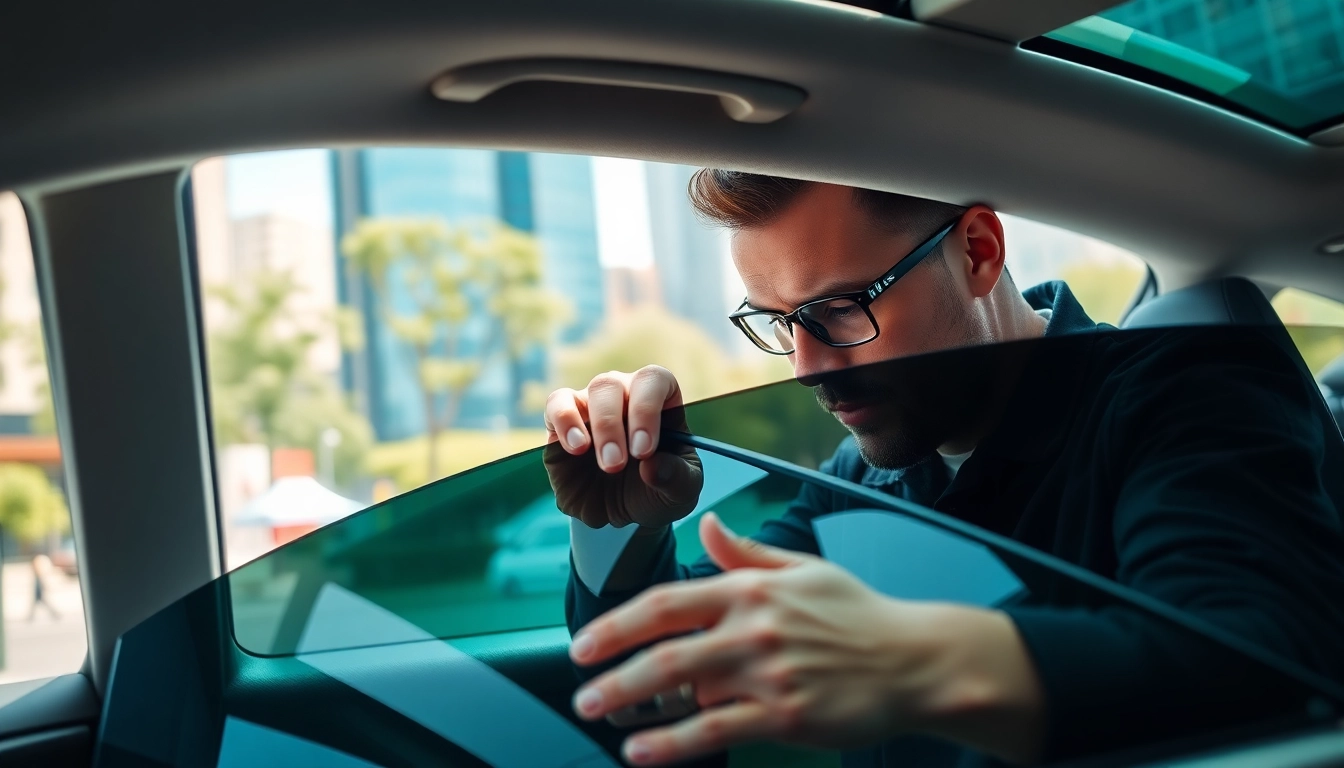
The installation of window tint can be performed by professionals or as a DIY project. Here’s a rundown of the typical steps for professional installation:
- Cleaning: The installer cleans the windows thoroughly to remove dirt and debris.
- Measuring: Accurate measurements are taken to ensure the film fits the windows properly.
- Cutting: The tint film is cut to the appropriate size based on window dimensions.
- Application: The film is applied to the window using a special adhesive.
- Smoothing: Bubbles and creases are smoothed out for a seamless finish.
Common Tools Used in the Process
Tools typically used in window tinting include:
- Utility Knife
- Window Tint Film
- Squeegee
- Spray Bottle with Soapy Water
- Heat Gun (for fitting around curves)
Hiring a Professional vs. DIY
While DIY window tinting can be cost-effective, it often requires a significant time investment and precise skills. Professionals, conversely, bring expertise and tools, ensuring a cleaner and more durable finish. Weigh the potential cost savings of DIY against the quality assurance provided by a professional service before making a decision.
Maintenance and Care for Tinted Windows
Cleaning Tinted Windows: Best Practices
Proper care of tinted windows ensures longevity. To clean tinted windows:
- Use a soft cloth or microfiber towel to avoid scratches.
- Opt for ammonia-free cleaners, as ammonia can damage the tint.
- Gently wipe the glass without applying excessive pressure.
Signs of Damage to Look For
Regular inspection of your tinted windows can help catch issues early. Look out for:
- Bubbling or peeling film
- Discoloration or fading spots
- Loss of adhesive and lifting edges
When to Reapply Window Tint
Typically, high-quality window tint lasts between 5 to 10 years, depending on care and environmental conditions. If you start noticing signs of wear or if the tint does not adhere properly, it may be time to reapply it. Regular checks every few years can help determine its condition.
FAQs
How long does window tinting last?
Generally, high-quality window tint can last 5 to 10 years with proper care. Environmental factors may influence longevity.
Is window tinting legal in Cleveland TN?
Yes, but there are specific regulations regarding tint darkness and reflectivity that must be followed.
Can window tint decrease my car's temperature?
Yes, window tint blocks heat from the sun, helping to keep your car cooler, especially on hot days.
Will my warranty be affected by window tinting?
Most window tint installations do not void car warranties, but it's essential to check with your dealer.
What are the most common window tinting films?
The most common types include dyed, metallic, and ceramic films, each offering different benefits like UV protection and glare reduction.