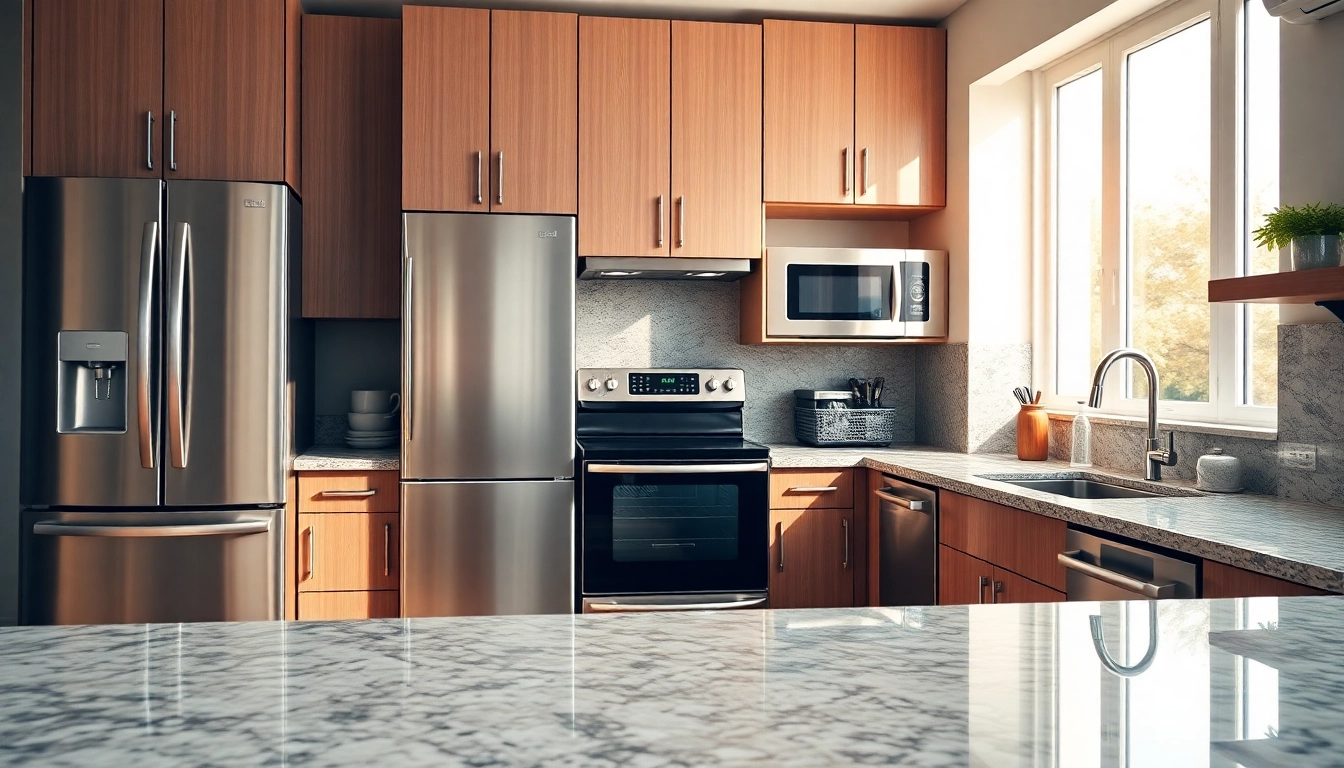
Understanding Home Appliances
What are Home Appliances?
Home appliances are essential devices found in our homes that significantly enhance the convenience of various daily tasks. These products range from large, core utilities that shape a home's functional layout to compact gadgets that simplify chores. Essentially, they help streamline household activities, thus allowing individuals to focus more on life rather than labor. When considering home appliances, think about their dual role: they provide functionality while contributing to comfort and efficiency in modern living. Many of the advances in home appliances have integrated technology to offer features that save time and energy, making them indispensable in today’s homes. You can explore a variety of innovations in home appliances that redefine convenience.
Types of Home Appliances
Home appliances can broadly be categorized into two types: major and small appliances. Major appliances, also known as white goods, include large items such as refrigerators, ovens, washers, and dryers. These appliances typically require professional installation and a permanent space in your home. On the other hand, small appliances are portable and versatile, covering items like microwaves, coffee makers, and toasters. Each type serves distinct functions, yet they all share the common goal of enhancing home life.
Benefits of Using Proper Appliances
Opting for the right home appliances has numerous benefits. Firstly, efficiency is a significant factor; proper appliances are designed to operate with higher energy efficiency, reducing energy consumption and costs. Additionally, many modern appliances come equipped with smart technology that allows for easier, more efficient operation, providing homeowners with effortless control over their environment. Furthermore, utilizing appliances properly contributes to better time management. Tasks such as cooking, cleaning, and laundry can be completed in a shorter time frame, which can drastically improve the quality of life for busy families. Overall, the right appliances not only elevate day-to-day living but also reflect a commitment to sustainability and technological innovation.
Essential Kitchen Appliances
Refrigerators: Key Features
Refrigerators are a cornerstone of any kitchen, serving as the primary means of food preservation. When choosing a refrigerator, it's important to consider features such as size, layout, and technology. Double-door and side-by-side models offer ample storage and flexible shelving, making it easy to organize food. Additionally, modern refrigerators often incorporate energy-efficient technology and smart features. Some come with built-in displays for easy access to information, temperature control, and even purchasing functions for groceries. Furthermore, consider models with advanced filtration systems that ensure fresh-tasting food and drink, significantly enhancing your cooking experience.
Cooking Appliances: Ovens and Stoves
Cooking appliances, such as ovens and stoves, are vital for preparing meals. Ovens come in various types—including conventional, convection, and microwave—each offering unique benefits that can impact cooking time and food quality. For instance, convection ovens use fans to circulate heat, leading to quicker cooking times and better heat distribution. Meanwhile, stoves can be powered by gas or electricity, each presenting its advantages in cooking control and safety. Emerging innovations, such as induction cooking, are becoming favored due to their fast heating and energy efficiency. When selecting cooking appliances, considering versatility, ease of use, and energy consumption can lead to significant long-term benefits.
Dishwashers: Convenience in Cleaning
Dishwashers have transformed the way we handle dinner cleanup. They not only save time but also utilize less water than washing by hand. Modern dishwashers come equipped with various features such as multiple wash cycles, energy-efficient modes, and smart technology options that allow you to monitor the appliance remotely. Stainless steel interiors, adjustable racks, and noise suppression technologies enhance the overall user experience. When investing in a dishwasher, consider the size, capacity, and energy efficiency ratings to ensure it meets your family's needs.
Choosing the Right Home Appliances
Energy Efficiency Ratings
Energy efficiency ratings are a critical consideration when choosing home appliances. Products with higher ratings generally consume less energy, which not only contributes to lower energy bills but also lowers your environmental impact. Most appliances come with an Energy Star label, signifying they meet or exceed specific energy efficiency guidelines set by the U.S. Environmental Protection Agency. When shopping for appliances, be sure to check the energy ratings, as more energy-efficient models often have a higher upfront cost but can save you significant amounts in the long run.
Size and Space Considerations
Your kitchen's layout and available space are crucial factors in selecting home appliances. Measuring the space ensures that the appliances fit adequately without crowding the kitchen, which can impede functionality. It's also wise to consider the appliances' door swings, ventilation, and clearance needed for proper operation. When planning your kitchen layout, consider both aesthetic appeal and practical functionality to create a harmonious cooking environment.
Budgeting for Home Appliances
Establishing a budget for home appliances is essential because it aids in narrowing down choices to products that not only fit your needs but also your financial parameters. Often, it’s beneficial to view appliances as investments rather than mere purchases. Quality appliances that might cost more initially tend to have longer lifespans, better warranties, and greater energy savings. Include factors such as installation costs, potential maintenance needs, and anticipated utility savings in your budget plan for a more comprehensive assessment.
Maintaining Your Home Appliances
Regular Cleaning Practices
Regular maintenance and cleaning practices are vital for prolonging the life of your home appliances. This includes regularly emptying and cleaning the refrigerator coils, descaling dishwashers and coffee makers, and washing the filter in the washing machine. Additionally, ovens should be cleaned periodically to prevent the buildup of grease and food residue, which can affect performance. Developing a routine maintenance schedule will help keep appliances running efficiently, reducing the risk of unexpected breakdowns.
Scheduling Routine Maintenance
Scheduling routine maintenance enhances appliance performance and longevity. Professional servicing ensures that the internal components remain in optimal condition, which can prevent costly repairs. Appliances such as HVAC systems, refrigerators, and washers usually benefit from annual check-ups to ensure they operate efficiently. Be proactive in addressing any unusual sounds or performance issues; early intervention can save you from larger problems down the line.
Common Troubleshooting Steps
Understanding common troubleshooting steps can help you address issues before calling for professional help. For instance, if your dishwasher isn’t cleaning properly, check for clogs in the spray arm or filters and ensure that you’re using the correct detergent. For refrigerators, if temperatures fluctuate, check the door seals for wear and ensure proper airflow around the unit. Familiarizing yourself with basic troubleshooting can empower you to solve minor problems swiftly.
Innovative Features in Home Appliances
Smart Technology Integration
Smart technology integration in home appliances is revolutionizing the way we interact with our household devices. Many modern appliances now include Wi-Fi connectivity that enables users to control functions through smartphones or voice assistants. Features like remote monitoring, scheduling washes or cooking times, and receiving alerts about maintenance needs enhance user convenience and efficiency. The integration of technology not only makes appliances easier to use but can also lead to better energy management.
Space-Saving Designs
As homes become more compact, space-saving designs in home appliances are increasingly important. Manufacturers are innovating to create multifunctional appliances that occupy less floor space but deliver extensive functionality. For example, a combination oven and microwave can serve as both while taking up the footprint of just one appliance. Additionally, compact designs have hit the market for washing machines and dryers, catering to urban living spaces without sacrificing performance.
Advanced Energy Efficiency
The push for sustainability has driven advances in energy efficiency across home appliances. Innovative technologies, such as inverter compressors and variable-speed motors, are becoming standard, allowing appliances to adjust their power usage according to demand. These advancements not only contribute to reduced energy consumption but also enhance appliance performance, leading to greater consumer savings. Investing in appliances with these features can positively impact your budget while supporting greener practices.
Frequently Asked Questions (FAQs)
1. What are the most energy-efficient home appliances?
Energy-efficient home appliances typically include models that are Energy Star rated, such as refrigerators, dishwashers, and washing machines. These appliances consume less energy while performing effectively.
2. How often should I clean my refrigerator?
It's advisable to clean your refrigerator every three to six months to remove dust from coils and prevent unpleasant odors. Regularly check for expired items as well.
3. Are there smart appliances for small spaces?
Yes, many brands offer smart appliances that are compact in design, such as mini-fridges and combination units, perfect for smaller living areas like apartments.
4. How can I extend the life of my dishwasher?
Regularly clean the filter, use the right detergent, and run hot water before starting a cycle. Also, avoid overloading, which can strain the mechanical parts.
5. What should I consider when buying a washing machine?
Consider capacity, energy efficiency, available cycles, and size. Think about your laundry habits and how often you wash to select the best fit for your needs.