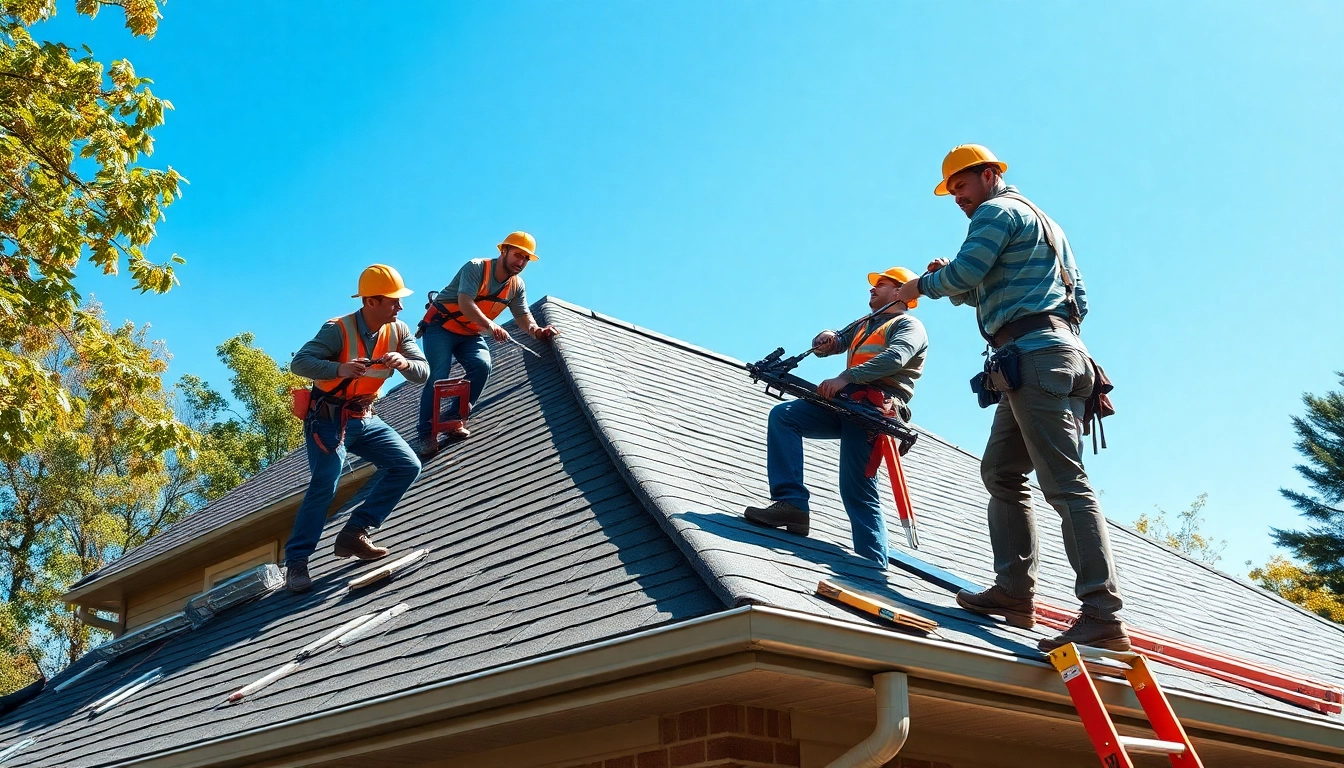
Understanding Professional Roofing Services
Definition and Importance of Professional Roofing Services
When discussing the essentials of home and building maintenance, Professional roofing services emerge as a crucial component. These services encompass a wide array of tasks related to the maintenance, installation, and repair of roofing systems. A well-functioning roof speaks volumes about the overall integrity of a structure, not only providing shelter but also serving as a key element in energy efficiency and aesthetic appeal. Professional roofing ensures that your roof can withstand the elements, enhancing both the lifespan of the roof and the comfort of its occupants.
Common Types of Professional Roofing Services Offered
Professional roofing services offer various types aimed at addressing different needs. The most common categories include:
- Roof Inspection: Regular evaluations can identify potential problems before they escalate into costly repairs.
- Roof Installation: This involves the complete installation of new roofing systems, utilizing materials suited to the building's architecture and climate.
- Roof Repair: Targeted repairs help fix specific issues like leaks or structural damage without the need for a full replacement.
- Roof Maintenance: Ongoing maintenance services extend the life of your roofing system by ensuring it remains in optimal condition.
- Emergency Services: Immediate response services for severe damage, often caused by storms or accidents, are crucial to minimize damage.
Assessing Your Roofing Needs: Residential vs. Commercial Insights
The approach to roofing services can significantly differ between residential and commercial properties. Residential roofing often prioritizes aesthetics and energy efficiency while considering design elements, such as ventilation and sunlight exposure. In contrast, commercial roofing tends to focus more on durability and cost-effectiveness due to the larger roof surfaces that require management. Understanding these differences is essential for selecting the appropriate services and materials for your specific building type.
Finding the Right Roofing Contractor
Key Qualities to Look for in Professional Roofing Services
Choosing a roofing contractor can be daunting, given the variety of options available. Here are some vital qualities to consider:
- Experience: Look for contractors with a proven track record in the roofing industry, ensuring they are familiar with various roofing systems and problems.
- Licensing and Insurance: Ensure that the contractor is licensed to operate in your area and possesses appropriate insurance to protect you from liability.
- References and Reviews: Verify past work through customer testimonials and online reviews to gauge customer satisfaction levels.
- Transparency: A good contractor should provide detailed estimates and breakdowns of costs, avoiding hidden charges.
- Warranty: Reliable contractors often offer warranties on installation and materials, providing peace of mind and protection for your investment.
How to Evaluate Roofing Service Reviews and Ratings
Reviews and ratings play an essential role in selecting a roofing contractor. Here’s how to navigate them:
- Look for Patterns: Rather than focusing on individual reviews, evaluate overall patterns in ratings and feedback to judge reliability and quality consistently.
- Check Multiple Sources: Don’t rely solely on one platform. Check reviews across various sites for a more comprehensive view.
- Contact Previous Clients: If possible, reach out to previous clients for direct feedback on their experiences with the contractor.
Questions to Ask When Hiring Professional Roofing Services
Having a checklist of questions can simplify the hiring process. Essential queries include:
- What types of roofing materials do you recommend and why?
- What is your estimated timeline for this project?
- How do you handle unexpected issues that may arise during installation or repair?
- Can you provide references from previous clients?
- What steps do you take to ensure job site safety?
Understanding the Roofing Process
Steps Involved in Professional Roofing Services
The roofing process generally consists of several critical steps, including:
- Initial Consultation: This step involves discussing the project scope, materials, and estimated costs with the contractor.
- Roof Inspection: Thorough inspections help identify underlying issues that must be addressed prior to commencing work.
- Material Selection: Choosing appropriate materials based on budget, durability, and climate requirements.
- Installation Plan: Finalizing a detailed timeline and action plan for the roofing project.
- Execution: Actual installation or repair process, which includes weatherproofing and applying finishing touches.
- Final Walkthrough: A review of the completed project with the homeowner to ensure satisfaction.
What to Expect During Roof Installation or Repair
During the installation or repair process, homeowners should expect disruptions. Noise, debris, and limited access to certain areas are common. Clear communication with your contractor regarding timelines and daily expectations can help mitigate inconveniences. Moreover, it is crucial to ensure proper safety measures are being followed by the roofing team to protect both workers and occupants.
Safety Measures in Professional Roofing Services
Safety is paramount in any roofing project. Professional roofing services implement several strategies to ensure safety, including:
- Personal Protective Equipment (PPE): Workers should be equipped with helmets, harnesses, and other protective gear.
- Proper Training: Ensuring all team members are trained in the latest safety protocols helps minimize risks.
- Site Safety Planning: Establishing a clear plan that addresses potential hazards and outlines safe practices.
Cost Considerations for Professional Roofing Services
Factors Influencing the Cost of Roofing Services
Understanding the various factors that influence roofing costs can better prepare homeowners for estimates. These include:
- Size of the Roof: Larger roofs require more materials and labor, impacting overall costs.
- Material Choice: Different roofing materials come with varying costs, durability levels, and installation requirements.
- Local Labor Rates: Variations in labor costs based on geographic location can affect roofing prices.
- Accessibility: Roofs that are difficult to access may require additional equipment or labor, increasing costs.
How to Budget for Professional Roofing Services
Budgeting for roofing services requires a strategic approach:
- Get Multiple Estimates: Obtaining several estimates helps determine an appropriate budget range.
- Include a Contingency: Set aside an additional 10-15% of your budget for unforeseen expenses.
- Consider Financing Options: Research available financing plans or loans specifically tailored for roofing projects.
Understanding Roofing Material Costs: A Pricing Guide
Material costs can vary widely. Here’s a brief guide to some commonly used roofing materials and their average costs:
- Asphalt Shingles: Typically the most economical choice, averaging $90 to $100 per square.
- Metal Roofing: Durable and energy-efficient, ranging from $150 to $900 per square, depending on the type.
- Tile Roofing: Known for longevity and aesthetics, tile roofs can be priced from $300 to $1,000 per square.
- Slate Roofing: Offers excellent durability, priced between $600 and $1,500 per square due to its weight and material specialty.
Maintenance and Longevity of Roofing
Best Practices for Maintaining Your Roof After Professional Roofing Services
To ensure the longevity of your roof, adhere to the following maintenance practices:
- Regular Inspections: Schedule annual inspections to catch potential problems early.
- Keep Gutters Clean: Clear gutters of debris to prevent water pooling, which can lead to damage.
- Trim Overhanging Branches: Prevent branch friction and leaf buildup by trimming trees that hang over the roof.
Recognizing When to Call for Professional Roofing Services After Installing
Even newly installed roofs can develop issues. Be vigilant for signs that warrant professional intervention:
- Visible leaks or water damage inside the home.
- Granules in gutters after rain, indicating shingle wear.
- Drooping or sagging areas on the roof.
Maximizing the Lifespan of Your Roof Through Professional Maintenance
To achieve maximum lifespan and performance from your roofing system, engage in proactive maintenance practices, including regular inspections by professionals, ensuring preventative measures are in place, and attending to repairs promptly. Understanding the typical lifespan of your roofing material can further guide your maintenance efforts. For example, while asphalt shingles last approximately 20 years, metal roofs may endure for 50 years or more with proper care. Effective maintenance not only increases durability but can also provide better energy efficiency and reduce long-term costs.