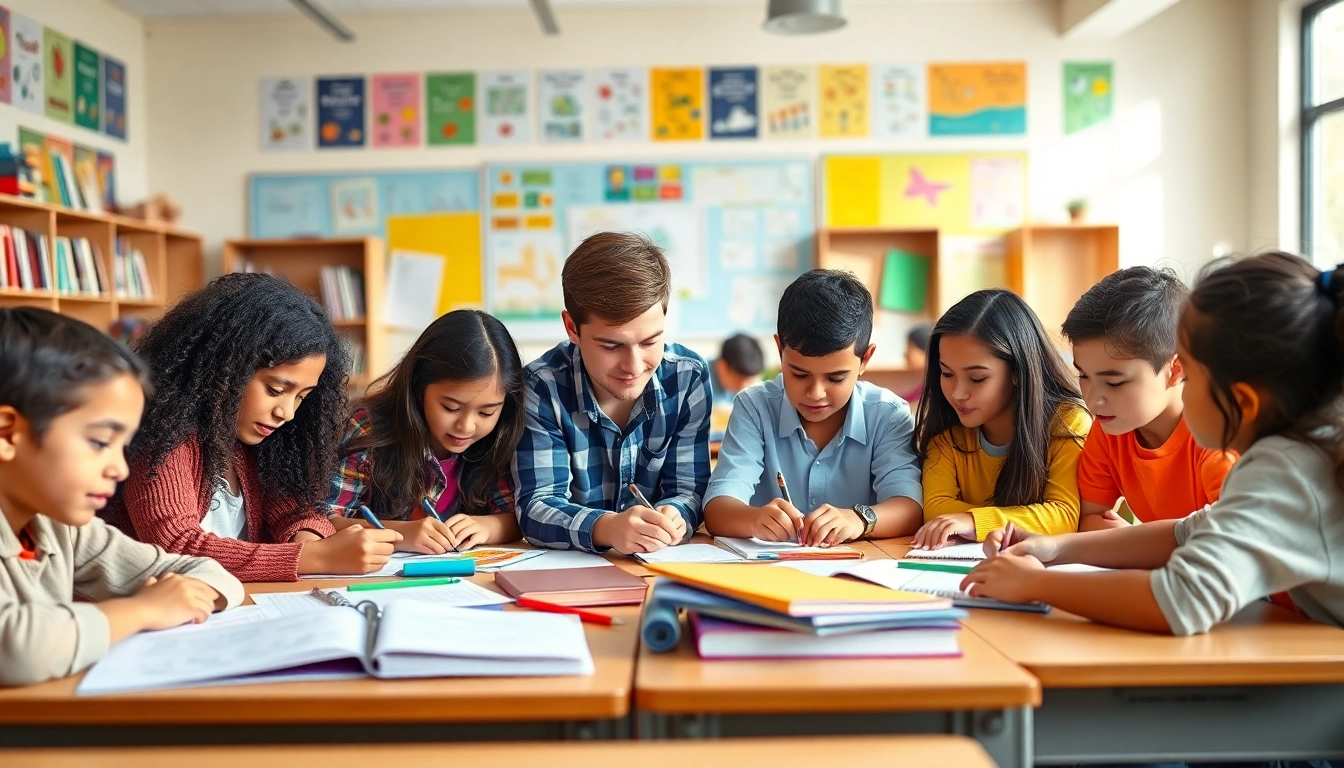
Understanding Education: Definition and Importance
Education is foundational to the development of individuals and societies, serving as a vehicle for personal and collective growth. It encompasses the transmission of knowledge, skills, values, and culture from one generation to another. From formal schooling to informal settings, the process of education shapes our worldview and prepares us to navigate the complexities of life. Whether through structured curricula or experiential learning, the significance of education in our lives cannot be overstated. It opens doors to opportunities, fosters critical thinking, and cultivates informed citizenship. For further insights into the various dimensions of education, you can explore detailed resources on Education.
What is Education?
At its core, education refers to the systematic process through which individuals acquire knowledge, skills, attitudes, and competencies. This process typically occurs within a structured environment—such as schools, colleges, and universities—but can also take place in informal settings like communities and homes. Education involves various teaching methodologies, from traditional lectures to modern, interactive approaches, and spans multiple disciplines and subjects.
The Role of Education in Society
Education plays a multifaceted role in society. It not only equips individuals with necessary skills for personal development but also serves as a cornerstone for social cohesion and stability. By fostering understanding and tolerance among diverse groups, education combats prejudice and discrimination. Furthermore, well-educated citizens drive economic growth, innovation, and social progress, resulting in a better quality of life for all.
Key Benefits of Education for Individuals
Education stands as a critical determinant of an individual’s future. The benefits are profound and multifarious:
- Economic Opportunities: Higher levels of education are associated with increased earning potential and career advancement.
- Personal Development: Education enhances critical thinking, problem-solving abilities, and creativity, empowering individuals to navigate life's challenges effectively.
- Social Benefits: Educated individuals tend to participate more actively in civic and community matters, advocating for change and progress.
- Health Improvements: Education correlates with better health outcomes, as educated individuals are more likely to engage in healthy behaviors.
Different Types of Education: Formal and Informal
Exploring Formal Education Systems
Formal education refers to structured education typically provided by institutions such as schools and universities. It follows a predetermined curriculum and leads to recognized credentials. The key characteristics of formal education include:
- Standardized Curriculum: This ensures uniformity in the education received by students.
- Qualified Instructors: Teachers and educators often hold specific qualifications and certifications.
- Assessment and Evaluation: Formal education involves regular testing and evaluation to measure learners' progress and mastery of subjects.
The Significance of Informal Learning
Informal education occurs outside the traditional classroom setting and is often self-directed. This type of education can happen through various means, such as:
- Life experiences and interactions
- Community engagement and mentorship
- Online resources, including courses and informational videos
Informal learning complements formal education, providing real-world applications of learned concepts and skills.
Comparing Traditional and Modern Education Methods
Education has evolved significantly over the years. Traditional education methods are typically teacher-centered, relying heavily on lectures and rote memorization. In contrast, modern education emphasizes a more student-centered approach, encouraging active learning through collaboration, discussion, and technology integration. Some key contrasts include:
- Role of Technology: Modern education incorporates digital tools, enhancing interactivity and engagement.
- Active Participation: Students are encouraged to take an active role in their learning process, promoting deeper understanding.
- Holistic Education: Modern approaches often integrate emotional, social, and physical aspects of learning.
Challenges in Education: Barriers and Solutions
Identifying Common Barriers to Education
Despite its importance, education faces various challenges that hinder access and quality. Common barriers include:
- Poverty: Financial constraints limit access to education resources, particularly in underprivileged communities.
- Geographic Location: Rural areas often lack adequate educational facilities and qualified teachers.
- Cultural Barriers: Societal norms and cultural expectations can discourage educational pursuit, especially for marginalized groups.
Innovative Solutions for Improved Accessibility
To address these challenges, innovative solutions are required. Here are some promising strategies:
- Online Learning Platforms: E-learning provides flexible access to educational resources for those unable to attend traditional schools.
- Community-Based Programs: Local initiatives can offer tailored support, bridging gaps for individuals facing geographical or economic challenges.
- Government and NGO Collaboration: Partnerships can enhance resource allocation, enabling more effective educational outreach.
Case Studies of Successful Educational Initiatives
By examining successful educational initiatives, we can learn valuable lessons for broader applications. One notable example includes Khan Academy, which utilizes a free online platform to offer educational resources worldwide. Their model demonstrates how technology can mitigate barriers by providing access to quality educational content. Other community-driven examples illustrate the effectiveness of local engagement in enhancing educational opportunities.
Best Practices for Effective Education Delivery
Engagement Strategies for Educators
For education to be effective, engaging students is crucial. Strategies for engagement include:
- Interactive Learning Activities: Incorporating hands-on tasks fosters deeper understanding and retention of knowledge.
- Collaborative Group Work: Encourages teamwork and communication skills among students.
- Feedback and Reflection: Regular feedback helps students recognize their strengths and areas for improvement.
Utilizing Technology in Education
The use of technology is reshaping educational practices. With the integration of tools such as virtual classrooms and educational apps, educators can enhance learning experiences. Some advantages include:
- Accessibility: Technology allows students to access materials and lectures anytime, anywhere.
- Personalized Learning: Software can adapt to individual learning paces and styles.
- Data-Driven Insights: Educators can utilize analytics to monitor student progress effectively.
Measuring Educational Outcomes and Success
Assessment is essential for understanding educational effectiveness. Measuring outcomes can take various forms, including standardized tests, formative assessments, and qualitative feedback. Developing a comprehensive assessment framework that considers academic success, social skills, and emotional wellbeing is vital for fostering holistic development.
Future Trends in Education: What Lies Ahead
Emerging Educational Technologies
As technology continues to advance, we can expect several trends to shape the future of education:
- Artificial Intelligence: AI can provide personalized learning experiences and support educators in administrative tasks.
- Gamification: Integrating game elements into learning can enhance engagement and motivation.
- Augmented and Virtual Reality: These technologies can create immersive environments for experiential learning.
Globalization and Education
Globalization is transforming educational paradigms, promoting cross-cultural exchange of ideas and practices. This interconnectedness encourages collaborative learning and fosters an appreciation for diversity. Educational institutions are increasingly emphasizing international partnerships and exchange programs as a means to broaden perspectives.
The Evolving Role of Educators in Changing Landscapes
As education adapts to contemporary challenges, the role of educators is evolving. Teachers are shifting from traditional knowledge dispensers to facilitators of learning. This shift includes embracing new pedagogies, integrating technology, and fostering a learning environment that encourages student agency and critical thinking. Professional development opportunities remain essential for educators to stay abreast of these changes and effectively meet the needs of their students.