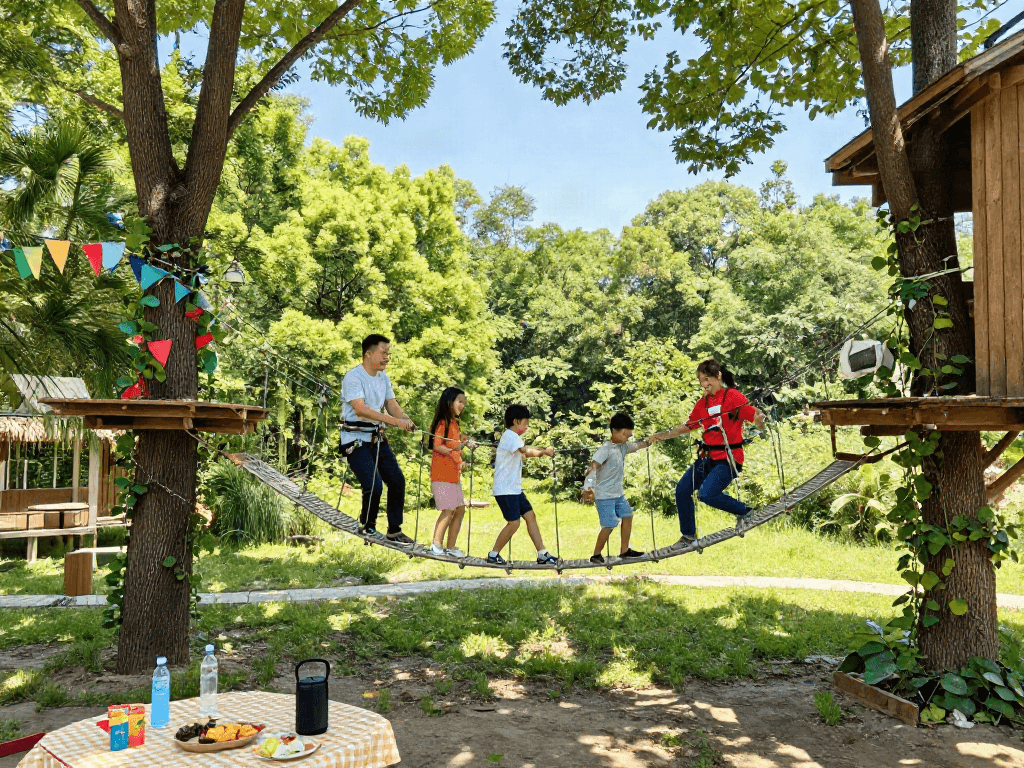
Understanding the Importance of Holiday Camps
Holiday camps are much more than a way to keep children occupied during school breaks. They provide a magnificent opportunity for children to thrive through play, learning, and interaction with peers. Enrolling in Holiday camps offers various benefits that contribute to a child's physical, emotional, and social development.
Why Choose Holiday Camps for Your Kids?
Holiday camps serve multiple purposes. They create a dynamic environment where children can explore their interests, try out new activities, and develop friendships. Aside from offering structured fun and engagement, these camps ultimately build self-esteem and social skills.
Key Features of Holiday Camps
Many aspects distinguish holiday camps from other forms of summer activities. They often feature:
- Diverse Activities: From sports to arts and crafts, holiday camps offer a range of activities catering to various interests.
- Expert Guidance: Trained counselors and staff lead activities, ensuring safety and high-quality experiences.
- Structured Environment: Camps provide organized schedules that help children maintain a routine while exploring new interests.
Holiday Camps vs. Traditional Daycare
While traditional daycare provides supervision, holiday camps focus on engagement and growth. Camps offer more interactive and novel activities than typical daycare settings, focusing on skill-building and social interaction, making them a superior option for school breaks.
Activities Commonly Found at Holiday Camps
Holiday camps provide an extensive range of activities allowing children to diversify their skills and experiences.
Outdoor Adventures and Sports
Outdoor activities, including hiking, swimming, and team sports, are staples in holiday camps. These enable kids to develop physical skills and learn the value of teamwork and cooperation while enjoying the great outdoors.
Arts and Crafts Workshops
Many children express themselves through creativity. Camps often offer arts and crafts sessions where kids can engage in painting, sculpting, and other forms of artistic expression. This fosters not just creativity, but also fine motor skills and patience.
Educational Sessions for Skill Development
Science experiments, cooking classes, and technology workshops are common in holiday camps. These sessions are designed to complement children's educational experiences at school but in a more relaxed and enjoyable context. It provides a chance for hands-on application of what they learn in a less structured environment.
Choosing the Right Holiday Camps
As a parent or guardian, selecting a suitable holiday camp is crucial. Here are some tips to aid in making an informed choice.
Assessing Camp Locations and Facilities
Ensuring the camp is located conveniently is fundamental. Look for facilities that provide safe environments equipped with adequate resources for activities, such as swimming pools, sports fields, and indoor areas for adverse weather conditions.
Finding Experienced Instructors
Qualified staff members are essential for delivering a balanced camp experience. Check for the instructor's background, including their training, experience with children, and first-aid certifications. Engaging and experienced counselors significantly enhance a child's camp experience.
Weekend vs. Week-long Holiday Camps
Many families may choose weekend camps for shorter commitments and ease of scheduling. Week-long camps offer children a more immersive experience, providing them with a chance to settle into camp life, which fosters deeper relationships with peers and staff.
Benefits for Different Age Groups in Holiday Camps
Holiday camps cater to a broad age range, tailoring activities suitable for each developmental stage.
Activities Tailored for Younger Children
Younger children typically benefit from camps designed specifically for their age group, integrating play-based learning with foundational skills such as teamwork, sharing, and basic problem-solving through engaging methods.
Teenage Camps: Challenges and Growth
Teenagers often seek more adventure and challenges. Camps that focus on leadership, outdoor survival skills, or specialty skills like coding or performing arts enable adolescents to find their passions and build confidence.
Inclusive Programs for All Abilities
Inclusive holiday camps are increasingly common, offering tailored programs for children with diverse needs. These camps promote an environment where every child can participate, learn, and grow, fostering empathy and understanding among children.
Frequently Asked Questions About Holiday Camps
What age groups can benefit from holiday camps?
Holiday camps cater to various age groups, typically from preschoolers to teenagers, allowing tailored experiences that foster growth, skills, and friendships at each developmental stage.
How do I choose the best holiday camp?
Assess locations, activities offered, the experience of staff, reviews from other parents, and your child's interests to select a holiday camp that suits your family's needs.
What should my child bring to holiday camps?
Depending on the camp's activities, generally, your child should bring a refillable water bottle, sunscreen, suitable clothing for various activities, and any special items needed for specific programs.
Are there financial aid options for holiday camps?
Many holiday camps offer financial aid options, such as scholarships or sliding scale fees, to ensure accessibility for all families seeking enriching experiences for their children.
How can I ensure my child is safe at holiday camps?
Investigate the camp’s safety protocols, including emergency procedures, staff training, and first-aid availability. Open communication will provide additional support and reassurance to both you and your child.