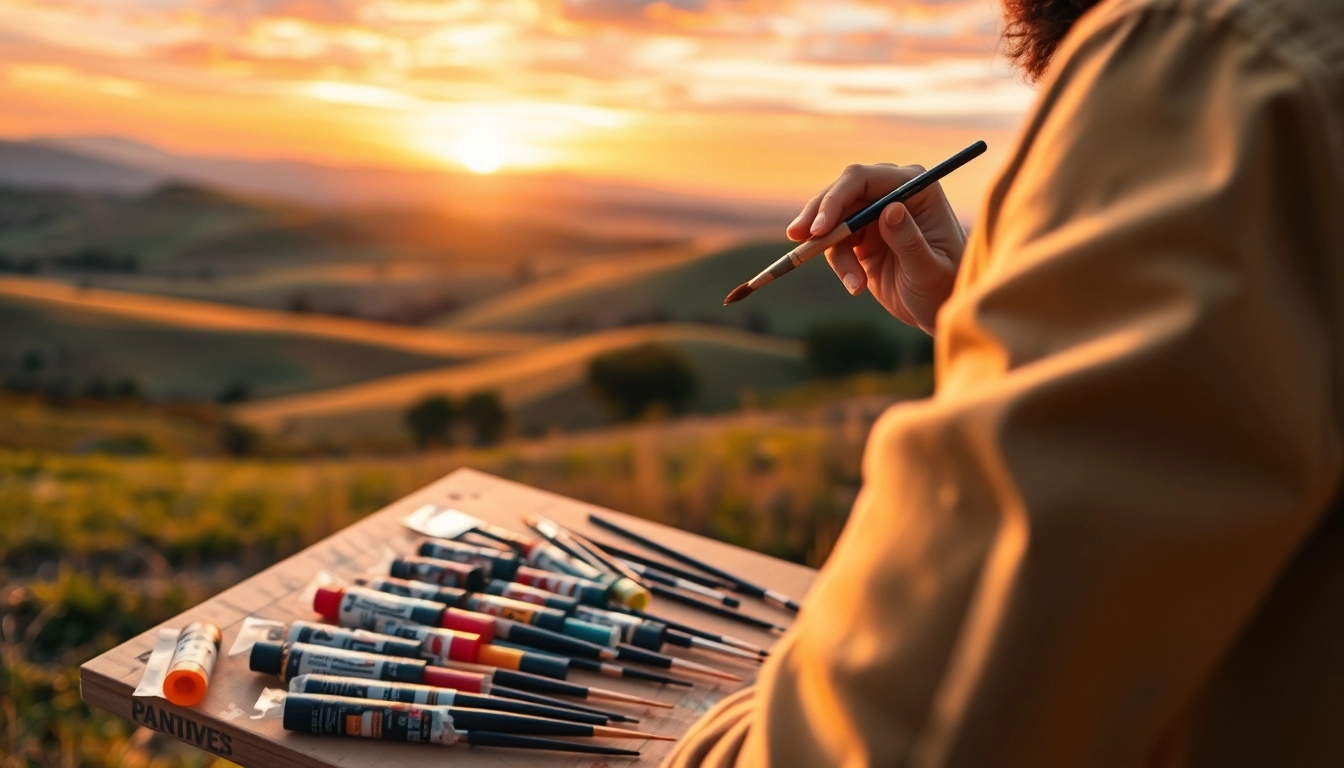
Understanding the Basics of Painting
What is Painting?
Painting is an ancient art form that communicates ideas, feelings, and perspectives through the application of pigments on surfaces. From cave paintings that date back thousands of years to contemporary masterpieces, painting captures the essence of human experience. It is an artistic expression that transcends cultures and time, allowing individuals to visualize their thoughts and emotions. Whether you're a novice or an experienced artist, understanding the fundamentals of painting can enhance your appreciation for this intricate craft.
Essential Tools and Materials
The tools and materials for painting can vary widely depending on the techniques and styles you choose to explore. Here are some essentials for getting started:
- Paints: The most common types are acrylics, oils, and watercolors, each offering unique properties and application methods.
- Brushes: Brushes come in various shapes and sizes, each suited for different techniques.
- Canvas or Paper: Choosing the right substrate is crucial; canvases are popular for oils and acrylics, while watercolors require special paper.
- Pallets: A surface to mix your paints on, whether a traditional wooden palette or disposable paper ones.
- Easels: Providing a sturdy setup for your canvas, easels are important for comfort and perspective.
Different Types of Painting Techniques
Learning different painting techniques can open up new avenues for creativity. From blending colors to glazing effects, here are some essential techniques:
- Brushwork: Varying brush strokes can create different textures and effects.
- Color Mixing: Understanding how to mix colors can enhance the depth and vibrancy of your artwork.
- Underpainting: This initial layer can establish the tones and shadows for your painting.
- Glazing: Thin layers of transparent paint can add depth and luminosity.
Exploring Various Painting Styles
Realism vs. Abstract Painting
Realism focuses on depicting subjects as they are in life, emphasizing details and accuracy. Artists often use photographs as reference points to ensure fidelity to the real world. In contrast, abstract painting expresses emotions or ideas without necessarily representing reality. This style employs shapes, colors, and forms in a way that transcends literal representation, allowing viewers to interpret meaning in multiple ways. Each style has its merits, serving different artistic goals and insights into human perception.
Watercolor Techniques Explained
Watercolors are known for their transparency and fluidity. Some popular techniques include:
- Wet-on-Wet: Applying wet paint to wet paper allows colors to blend seamlessly.
- Wet-on-Dry: This technique keeps the edges sharper, making it ideal for detailed work.
- Dry Brush: A technique using a dry brush to create texture and detail on dry paper.
- Glazing: Layering washes of color to build depth and enhance luminosity.
Understanding Oil Painting
Oil painting uses pigments mixed with a binder of oil, typically linseed oil, which gives it a rich texture and vibrant color. Key points about oil painting include:
- Drying Time: Oil paints can take days or weeks to dry completely, allowing for extensive blending and reworking.
- Color Depth: The translucency of oil paints can create stunning depth and richness.
- Mediums: Various mediums can be added to alter the paint's thickness and drying time.
Choosing the Right Painting for Your Space
Assessing Room Colors and Themes
When selecting paintings for your space, consider the existing color palette and theme of the rooms. A cohesive color scheme can enhance the aesthetic appeal. For example, warmer tones may complement a cozy living room, while cooler tones could work well in a calming bedroom environment. It’s essential to choose art that resonates with you and contributes to the overall ambiance you want to create.
Size and Scale Considerations
Scale plays a crucial role in visual impact. Large paintings can serve as statement pieces, drawing attention and commanding a space. In contrast, smaller pieces can create an intimate feel or be grouped together to form a gallery wall. Always consider the proportions of your furniture and the height of walls when determining the size of artwork.
Mixing Styles: Eclectic Approaches
Incorporating various styles can create a dynamic and interesting space. Mixing traditional and modern artworks can reflect your personality and taste. When combining different styles, aim for balance. This could mean selecting a few focal points that share a common theme or color palette, ensuring cohesion while celebrating diversity.
Common Challenges in Painting
Dealing with Creative Blocks
Creative blocks can be frustrating, but understanding their origins helps you overcome them. They may stem from self-doubt or lack of inspiration. To combat this, try setting small, achievable goals or experimenting with new techniques. Taking breaks or engaging in other creative activities can also reignite your passion for painting.
Fixing Mistakes: Tips and Tricks
Every artist makes mistakes, but knowing how to correct them is vital. For acrylic painting, you can paint over errors with a fresh layer. For oil paints, adding a new layer or scumbling can help merge the mistake. Remember, sometimes what you perceive as a flaw might lead to an unexpected and exciting new direction.
Maintaining Consistency in Style
Developing a unique style takes time and practice. To maintain consistency, focus on recurring themes, colors, or techniques across your works. Review your previous pieces to identify patterns and elements that resonate with you. This reflection can guide your future creations and help establish your artistic voice.
Elevating Your Painting Skills
Practice Makes Perfect: Daily Exercises
Regular practice is key to improvement. Set aside time each day to paint, even if it’s just for a short period. Quick studies on different subjects can enhance your observation skills. Experimenting with new materials and techniques during your practice also helps you grow as an artist.
Taking Art Classes vs. Self-Teaching
Both art classes and self-teaching have their advantages. Art classes provide structured learning, feedback from instructors, and opportunities for peer engagement. Alternatively, self-teaching allows for flexibility and exploration at your own pace. Consider combining both approaches: take classes to gain foundational skills, then explore independently to develop your personal style.
Getting Feedback and Improving
Constructive feedback is essential for growth. Sharing your work with fellow artists or joining critique groups can provide valuable insights. Be open to criticism, but also trust your intuition. Use feedback to reflect on your technique and approach, driving your artistic evolution.
FAQs
What types of paint are best for beginners?
Acrylics are often recommended for beginners due to their versatility and ease of use.
How can I choose the right colors for my painting?
Consider your subject, the emotion you want to convey, and experiment with color theory basics.
What is the best way to clean my painting brushes?
It’s important to clean brushes immediately after use with soap and warm water for longevity.
How do I know when my painting is finished?
Trust your instincts! When you feel satisfied with the overall look and balance, it’s likely done.
Can I mix different types of paint?
Mixing oil and acrylic paint isn't recommended, as they have different drying times and properties.