




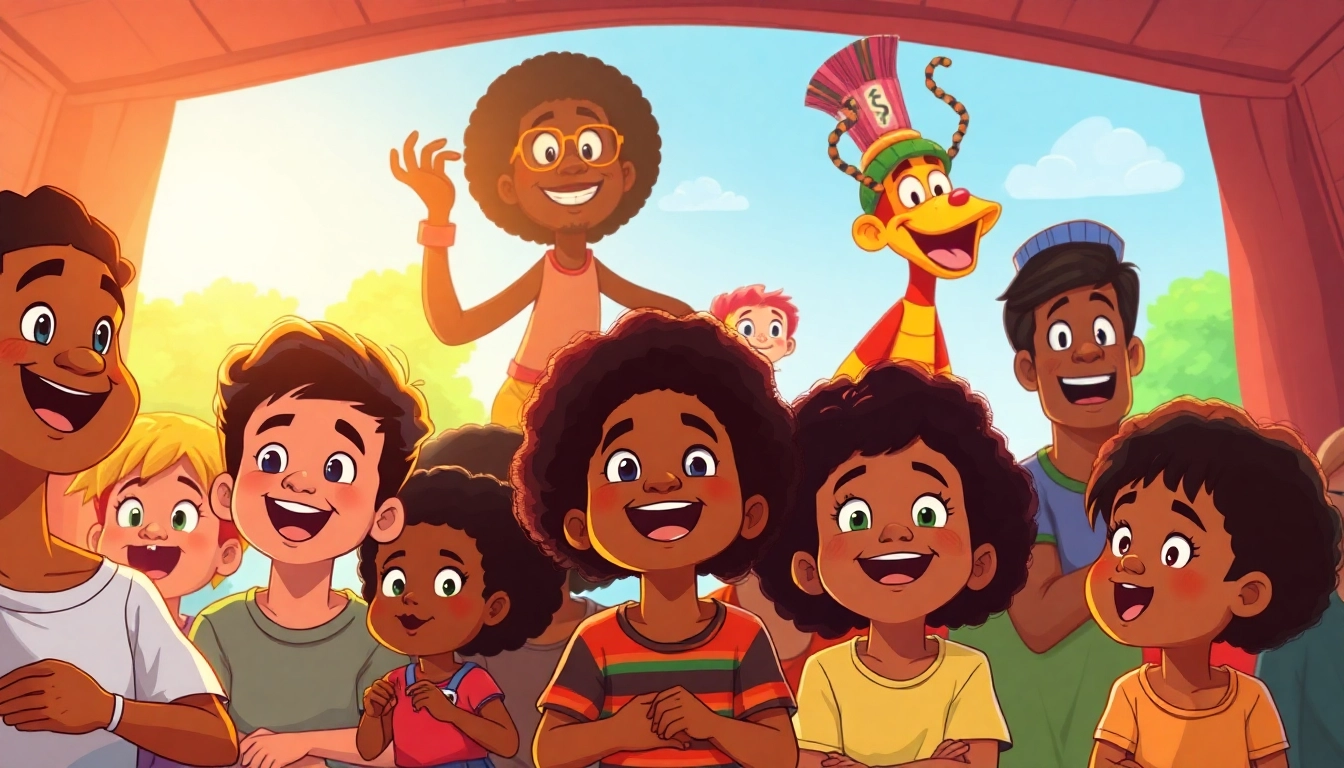
Understanding African American Cartoons
Animation has long been a powerful medium for storytelling, allowing creators to present complex ideas in an engaging format. For African American communities, cartoons are not just entertainment; they are a vital means of cultural expression and representation. From the early days of animation to the present, African American cartoons have evolved dramatically, reflecting societal changes and the growing demand for diversity in media. When exploring options, African American Cartoons provide comprehensive insights into this vibrant and essential genre.
The Evolution of Animation in African American Culture
The evolution of African American cartoons can be traced back to the early 20th century when characters like Br’er Rabbit and Uncle Remus appeared in animated adaptations of African American folklore. However, these depictions were often steeped in stereotypes and did not accurately reflect the richness of African American culture. It wasn’t until the late 1960s and 1970s that creators like Bill Cosby began to reshape the landscape with shows like Fat Albert and the Cosby Kids, presenting relatable characters and moral lessons in a culturally relevant context.
Importance of Representation in Cartoons
Representation in media matters. For many children of African descent, seeing characters that look like them is crucial for developing a positive self-image. Cartoons serve as societal mirrors, and when they reflect a diverse array of backgrounds and experiences, they foster understanding and appreciation among young viewers. Recent productions, such as The Proud Family: Louder and Prouder, underscore this movement towards inclusivity, tackling contemporary issues faced by African American families while providing entertainment.
How African American Cartoons Help Shape Identity
Cartoons are not just a source of laughter; they play a pivotal role in shaping cultural identity. Shows like The Boondocks and Craig of the Creek highlight the unique experiences of African Americans while connecting viewers to broader narratives about culture, community, and family dynamics. Such storytelling allows younger generations to explore their roots and understand their place in the world.
Iconic African American Cartoons Through the Decades
1980s to 1990s: Pioneering Shows
The late 20th century was transformative for African American animation. New shows emerged that celebrated black culture and humor. In 1992, Animaniacs introduced characters inspired by African American culture, while Static Shock became a breakthrough show that showcased a superhero with an African American background. These series were not only entertaining but also groundbreaking in their efforts to tackle relevant social issues like racism and identity.
2000s to Present: Modern Classics
Today, African American cartoons have solidified their place among mainstream entertainment. Series like Doc McStuffins and Big Mouth have garnered critical acclaim, appealing to audiences of all ages. These modern classics portray diverse characters and stories that resonate with viewers, ensuring that African American children see themselves represented in animation.
Analyzing Cultural Impact of Each Era
Each era of African American cartoons has contributed to a larger narrative about representation and cultural identity. The 1980s and 1990s laid the groundwork for richer character development and more authentic storytelling, while the 2000s and beyond focused on progressive themes and narratives that reflect current societal challenges.
Top African American Cartoons to Watch in 2026
Must-Watch Series for Kids and Families
As we look ahead to 2026, several African American cartoons are must-watches for families. Kung Fu Panda: The Dragon Knight features a diverse cast while maintaining a sense of adventure and humor. Family Reunion, which explores family dynamics through the lens of modern living, is another show that showcases the beauty of African American culture.
Hidden Gems in Animation Worth Discovering
While popular shows often steal the spotlight, several hidden gems deserve recognition. Motown Magic combines music and art to introduce children to the legacy of Motown, while Craig of the Creek offers relatable and heartwarming stories that celebrate friendship and community in a contemporary setting.
Upcoming Releases in African American Animation
The animation landscape is always evolving, and 2026 promises to deliver exciting new content. The upcoming series Young Justice: Phantoms is set to feature more diverse narratives, including African American characters, adding depth to the superhero genre. Additionally, the return of The Proud Family is expected to spark conversations around family, culture, and social issues.
Educational Benefits of African American Cartoons
Teaching Cultural Heritage Through Animation
Educational programs incorporating African American cartoons can significantly enhance students’ understanding of cultural heritage. By using shows that reflect the diversity of experiences within the black community, educators can foster a more inclusive learning environment that values every student’s background.
How Cartoons Can Promote Diversity in Schools
Utilizing animation in the classroom provides a dynamic way to engage students. Shows with African American protagonists allow teachers to discuss important topics like history, representation, and resilience, helping students appreciate different perspectives and fostering an environment of acceptance.
Engaging Learning Activities Inspired by Cartoons
There are countless engaging activities that educators can develop around African American cartoons. For instance, students can create character profiles or write their own short episodes that reflect their cultural heritage. These activities not only improve comprehension but also encourage creativity and critical thinking.
Future Trends in African American Animation
Innovations in Digital Animation Techniques
As technology advances, so too does the potential for how stories are told through animation. Innovations like virtual reality (VR) and augmented reality (AR) are beginning to shape the future of African American cartoons, providing new avenues for immersive storytelling that celebrates culture.
The Role of Streaming Platforms in Distribution
Streaming platforms have revolutionized how we consume media, and they play a crucial role in the future of African American animation. Services like Netflix and Hulu are investing in diverse stories, ensuring that a wider audience can access and appreciate African American cartoons.
Predictions for the Next Generation of Creators
Looking to the future, the next generation of creators is likely to diverge from past trends, emphasizing individuality and unique storytelling. With more African Americans entering the animation field, we can expect to see narratives that are even more reflective of varied experiences and dynamic character arcs.



More Stories
명품 레플리카 시장에서 하이엔드 제품의 의미
Wie man mit einem DJ für Hochzeit Berlin die Feier 2026 perfekt gestaltet
Individual Health Insurance vs United Healthcare: Which Wins in 2026?