



Understanding lvp Flooring: An Overview
What is lvp Flooring?
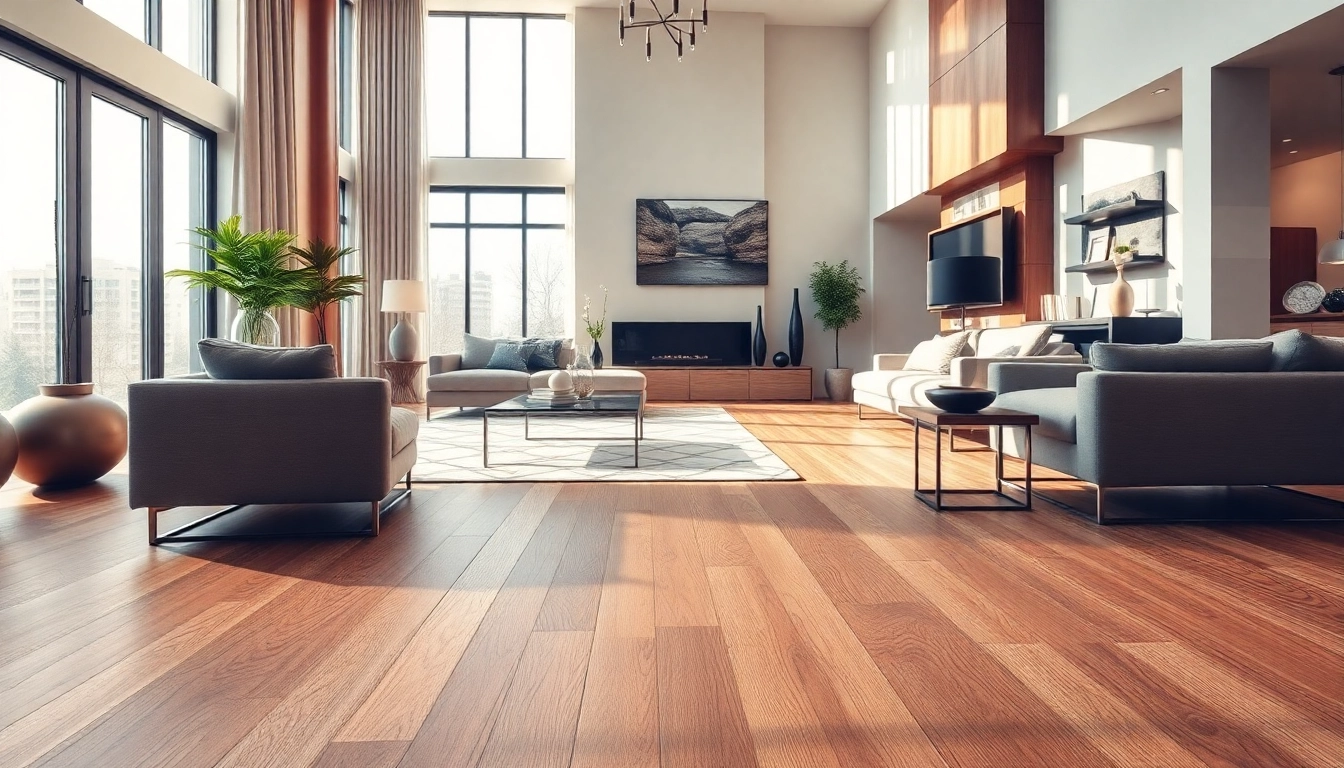
LVP flooring, short for luxury vinyl plank flooring, is a type of resilient flooring manufactured to replicate the appearance of natural materials such as hardwood, stone, or tiles. This synthetic flooring is composed of several layers, including a waterproof core, a design layer that mimics the look of wood or stone, and a protective wear layer that guards against scratches and stains. The evolution of lvp flooring has made it one of the go-to choices for homeowners seeking both aesthetic appeal and practicality in various applications.
Key Benefits of lvp Flooring
One of the standout advantages of lvp flooring is its durability. Manufacturers design it to withstand high foot traffic and daily wear and tear without showing significant signs of damage. In addition, lvp flooring is inherently waterproof, making it an excellent choice for areas prone to moisture, such as kitchens and bathrooms. This water-resistant property contributes to its long lifespan, which can last from 10 to 20 years with proper care.
Moreover, lvp flooring provides exceptional comfort underfoot compared to harder surfaces like tile or hardwood. The soft texture reduces strain on joints and makes it more pleasant to walk on for extended periods. Furthermore, lvp flooring is available in various styles, colors, and textures, allowing homeowners to customize their spaces according to personal needs and preferences.
Lvp Flooring Versus Other Flooring Options
When comparing lvp flooring to other flooring options such as hardwood, laminate, and tile, the differences become apparent. Hardwood flooring, while undeniably beautiful, can be quite costly and requires regular maintenance, including refinishing and careful cleaning to prevent moisture damage. LVP flooring offers a more affordable and lower-maintenance alternative without sacrificing aesthetic appeal.
Laminate flooring, although more affordable than hardwood, lacks the waterproof properties of lvp flooring and can be damaged by excessive moisture. On the other hand, tile flooring is highly water-resistant but can be cold and uncomfortable underfoot. Ultimately, lvp flooring presents a balanced option with significant advantages over both hardwood and laminate, along with a more inviting feel than tile.
Choosing the Perfect Design for Your Space
Styles and Patterns Available in lvp Flooring
Lvp flooring comes in a vast array of styles and patterns that cater to a wide range of design preferences. From traditional wood grain finishes to contemporary stone looks, there’s virtually no limit to the different aesthetic options available. Homeowners can select from various plank widths and lengths, allowing for creative installations that can transform the look of any room.
Additionally, some lvp flooring products feature embossed textures that enhance the realism of the wood or stone they replicate. This texturing skillfully adds dimension and depth to floors, making them not only visually appealing but also tactilely inviting.
Color Trends for lvp Flooring
As with any component of interior design, color trends for lvp flooring are ever-evolving. Currently, popular trends feature light, neutral tones that mimic beachy oak or light hickory, lending an airy and modern look to spaces. These colors pair beautifully with contemporary furnishings and bright wall colors, making them versatile for various decor styles.
Conversely, dark woods like walnut or espresso-colored lvp flooring are gaining traction as a popular choice for creating dramatic and cozy atmospheres. The choice between light and dark hinges on the overall design objectives of the space, influencing everything from furniture choices to paint colors.
Matching lvp Flooring with Interior Design
Successfully integrating lvp flooring into your home design requires a keen understanding of how it interacts with other elements of your interior decor. For instance, if you opt for rustic lvp flooring that mimics reclaimed wood, it may suit a farmhouse or coastal vibe, pairing well with furnishings made from natural materials and softer color palettes.
Alternatively, if you choose a sleek, contemporary styled lvp flooring that resembles polished stone, this can enhance modern aesthetics, complementing minimalist furniture and statement artwork. Eventual selections often lead to dramatic transformations that elevate a room’s entire atmosphere.
Installation Process for lvp Flooring
Preparation Before Installation
The installation process for lvp flooring involves several crucial preparatory steps to ensure a smooth and successful project. First, the subfloor must be inspected for any damage or imperfections. Any existing flooring should be removed if it creates an uneven surface, to enable the new flooring to lay flat properly.
Furthermore, the space should be acclimated to the desired room temperature for a minimum of 48 hours before installation, allowing the lvp flooring to adjust to environmental conditions. This process helps prevent expansion or contraction post-installation, which could create gaps or buckling over time.
Installation Methods for lvp Flooring
There are several installation methods available for lvp flooring: glue-down, click-lock, and loose lay. Glue-down installation involves securing the planks to the subfloor with adhesive. This method is ideal for high-traffic areas, but it requires more time and effort. Click-lock installation allows planks to interlock by simply connecting them together, making it fast and suitable for DIY enthusiasts.
Loose lay installation offers the easiest process, where planks are laid down without adhesive and locked in place with friction. This option is particularly beneficial for temporary spaces or rentals, as it enables quick removal without damaging the subfloor.
Common Mistakes to Avoid During Installation
To ensure a successful installation of lvp flooring, it’s vital to avoid some common pitfalls. One major mistake is failing to properly acclimate the flooring before installation. Rushing this step can lead to serious complications, including warping or gapping in the flooring after installation.
Another mistake is neglecting to check the subfloor’s condition adequately. An uneven surface may render the lvp flooring susceptible to damage or affect its longevity. Lastly, keeping all the tools and materials ready before starting can save significant time and reduce frustration during the installation process.
Maintenance Tips for Longevity
Daily Care Routine for lvp Flooring
Maintaining lvp flooring is relatively straightforward. However, it requires a regular care routine to ensure its longevity and appearance. Daily practices should include sweeping or vacuuming to eliminate dirt and dust, which can cause scratches if left on the surface.
Moreover, using a damp mop with a mild cleaner specifically formulated for vinyl flooring will help maintain its shine without leaving residues. Avoid bleach or harsh cleaners, as these can damage the finish of lvp flooring over time.
Dealing with Stains and Scratches
If stains or scratches occur, quick action is essential. For stains, a soft cloth and a mixture of mild detergent with warm water can effectively remove most spills. For deeper scratches, many lvp flooring brands offer repair kits that include filler material to blend the mark with the surrounding flooring. Applying these kits promptly ensures the flooring maintains its pristine condition.
Periodic Deep Cleaning Tips
In addition to daily care, periodic deep cleaning is necessary for maintaining lvp flooring. This should be done every few months, depending on foot traffic. A commercial-grade floor cleaner designed specifically for vinyl can be used for more intensive cleaning sessions.
Starting with a sweep or vacuum to remove debris allows the deep cleaner to penetrate the surface more effectively. Following the manufacturer’s instructions, allow the cleaner to sit for a few minutes, then scrub with a soft floor brush or mop, ensuring regular rinsing to remove any residue.
Making an Eco-Friendly Choice with lvp Flooring
Sustainability Ratings for lvp Flooring
As awareness of environmental sustainability increases, many manufacturers of lvp flooring are adopting eco-friendly practices. Popular sustainability ratings include FloorScore and GreenGuard, which gauge the emissions produced by products and their impact on indoor air quality. Choosing lvp flooring with a sustainability certification can support better living environments while showcasing commitment to environmentally responsible choices.
Recycling and Disposal Options
When it’s time to replace old lvp flooring, proper disposal is vital to minimizing environmental impact. Many recycling programs accept vinyl flooring products, allowing well-maintained flooring to be repurposed for other uses rather than ending up in a landfill. Local waste management can provide information about recycling options in your area.
Impact of lvp Flooring on Home Value
Investing in quality lvp flooring can positively influence a home’s value. Modern homebuyers often seek aesthetically attractive and low-maintenance flooring options. Lvp flooring, with its durability and versatility of design, can enhance the overall appeal of a home, making it a premium investment that attracts potential buyers. The combination of good aesthetics and practical advantages positions lvp flooring as a valued feature for prospective home purchases.
FAQs about lvp Flooring
What types of spaces are best suited for lvp flooring?
Lvp flooring is ideal for high-traffic areas, kitchens, and bathrooms due to its durability and water resistance.
How long does lvp flooring generally last?
High-quality lvp flooring can last 10 to 20 years with proper maintenance, making it a long-term investment.
Can lvp flooring be installed over existing flooring?
Yes, lvp flooring can be installed over many types of existing flooring, provided they are level and in good condition.
Is lvp flooring scratch-resistant?
Lvp flooring is designed to be scratch-resistant, making it a suitable option for households with pets and children.
How do I clean lvp flooring effectively?
Regular sweeping and occasional damp mopping with a mild cleaner are ideal for maintaining the appearance of lvp flooring.


More Stories
NSFW AI Chat Scored: Our Rating System Reveals All
Top Quality Choices for Steel Toed Boots Canada: A Comprehensive Guide
Top Benefits and Features of the Elf Bar for Vaping Enthusiasts