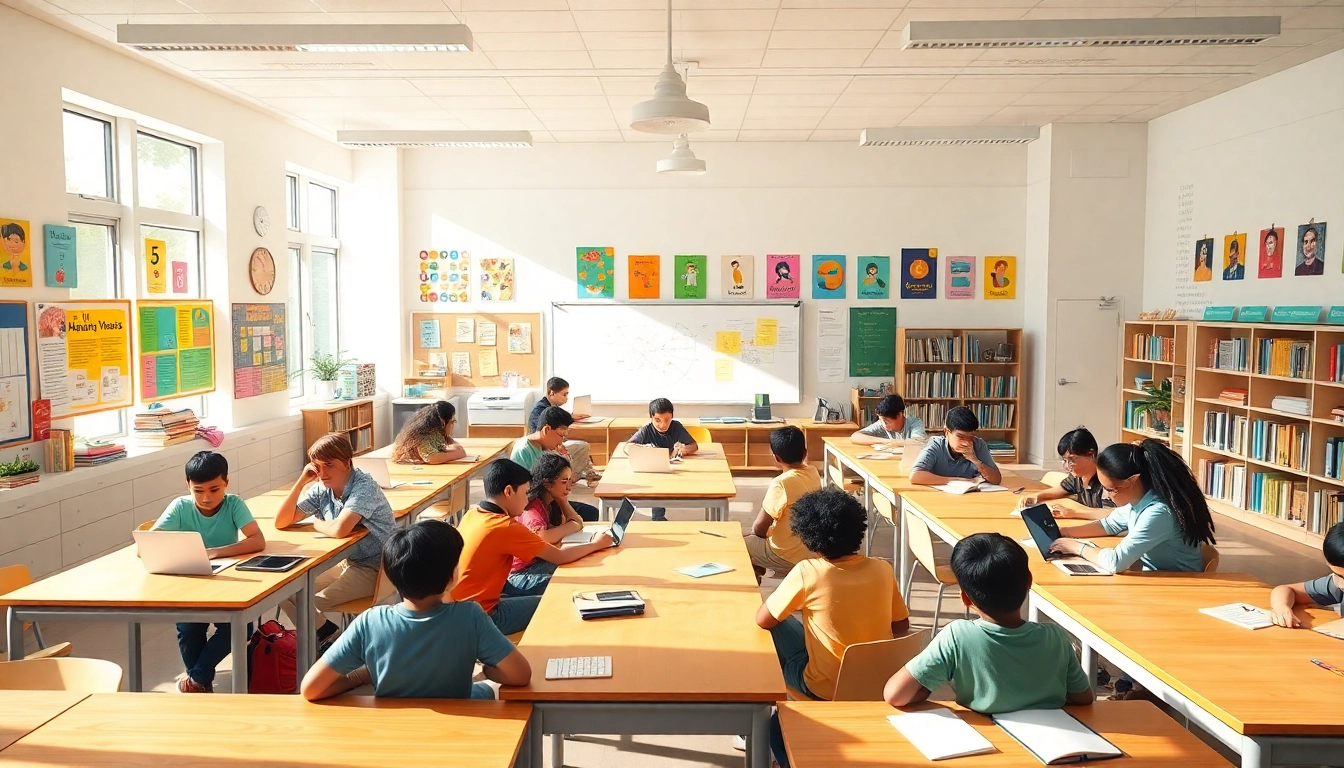
Understanding Education in the 21st Century
As we navigate through the complexities of the 21st century, understanding the evolving landscape of education is more crucial than ever. The traditional models of learning are being challenged by new paradigms that emphasize equity, reform, and innovation. This era demands a critical examination of what education means, its purpose, and how it can be adapted to meet the needs of a diverse population. This is where thought leaders like Dr. Matthew Lynch make a difference, advocating for a vision of education that transforms barriers into opportunities.
The Definition and Purpose of Education
Education is often defined as the process of imparting knowledge, skills, values, and habits. However, in the modern context, it transforms into a tool for empowerment. Education serves to cultivate critical thinkers, innovators, and responsible citizens. Its purpose extends beyond academic achievement to include the enhancement of social mobility and the promotion of lifelong learning.
Current Trends in Educational Reform
Today's educational reform is characterized by several dynamic trends aimed at making learning more accessible and relevant. These include personalized learning approaches that cater to individual student needs, the integration of technology in the classroom, and a focus on social-emotional learning. Each of these trends emphasizes the need to adapt teaching methods to better serve a diverse student body.
- Personalized Learning: Customizing education to fit individual learning styles through technology.
- Blended Learning: A combination of traditional face-to-face instruction with online learning resources.
- Social-Emotional Learning (SEL): Programs designed to develop emotional intelligence in students, fostering a supportive learning environment.
Challenges to Achieving Education Equity
Despite the advances in educational reform, significant challenges remain. Inequities based on socioeconomic status, race, and geographic location continue to impede access to quality education. For instance, schools in underfunded areas often struggle to provide adequate resources, qualified teachers, and safe learning environments. Addressing these disparities is essential for fostering an equitable educational landscape.
Innovative Approaches to Education Reform
Case Studies of Successful Educational Innovations
To illustrate the potential for success in educational reform, several case studies stand out. One notable example is the Khan Academy, which revolutionized access to quality education through free online resources. Similarly, schools adopting the Project-Based Learning (PBL) model have shown remarkable improvements in student engagement and achievement, as PBL fosters critical thinking and collaboration.
Technology's Role in Modern Education
In today's digital age, technology plays a crucial role in transforming education. Online platforms such as Coursera and edX have made higher education more accessible than ever, breaking down geographical and financial barriers. Additionally, tools like Google Classroom enable educators to streamline communication and resources, enhancing the learning experience.
Community Engagement and Stakeholder Involvement
The involvement of parents, local businesses, and community organizations is vital to educational reform. Collaborative efforts can lead to improved educational outcomes. For instance, partnerships between schools and local tech companies can offer students real-world experiences and internships, bridging the gap between education and career readiness.
Strategies for Fostering Education Equity
Inclusive Teaching Practices and Policies
Inclusive education practices are fundamental in ensuring all students feel valued and supported. This includes employing diverse teaching strategies that address different learning styles, promoting multicultural curricula, and providing professional development for educators on equity issues. By fostering an inclusive environment, schools can engage all learners and enhance their educational experiences.
Addressing Socioeconomic Barriers to Education
Socioeconomic status remains a critical factor in educational achievement. To combat this, schools can implement programs that provide resources such as tutoring, mental health support, and after-school activities. These programs can help level the playing field for students from disadvantaged backgrounds.
Empowering Marginalized Communities through Education
Empowering marginalized communities is crucial for achieving educational equity. Initiatives that focus on community-led education projects, scholarships for underrepresented students, and initiatives promoting bilingual education can significantly impact these communities. By ensuring that all voices are heard in the educational dialogue, we can work towards a system that is truly equitable.
Measuring Success in Education Initiatives
Key Performance Indicators for Educational Programs
To evaluate the effectiveness of educational reforms, it is essential to establish clear Key Performance Indicators (KPIs). These may include graduation rates, student engagement metrics, and standardized test scores. By systematically assessing these indicators, educators and policymakers can make data-driven decisions that foster improvement.
Using Data to Drive Educational Improvements
Data-driven decision-making is becoming increasingly important in the education sector. Schools can utilize analytics to track student performance, identify areas needing improvement, and tailor instructional strategies accordingly. This approach ensures that resources are allocated efficiently and effectively.
Feedback Mechanisms for Continuous Growth
Creating robust feedback mechanisms allows educators and administrators to assess the impact of their initiatives continually. Surveys, focus groups, and performance reviews can provide invaluable insights into the educational process, fostering an environment of continuous improvement.
The Future of Education: Predictions and Trends for 2026
Emerging Technologies in Education
Looking toward the future, emerging technologies such as artificial intelligence, virtual reality, and blockchain are poised to reshape education. AI can personalize learning experiences, VR can immerse students in historical events or complex scientific concepts, and blockchain can ensure the integrity of academic records.
Global Collaboration in Educational Practices
Global collaboration is essential for sharing innovative educational practices and addressing common challenges. International partnerships can lead to cross-cultural learning opportunities and foster educational best practices that can be adapted in various contexts.
Preparing for a Lifelong Learning Framework
Finally, preparing for a lifelong learning framework is crucial as the job market evolves. Education must extend beyond traditional classrooms, incorporating continuous learning opportunities that adapt to the changing demands of the workforce. By instilling a culture of lifelong learning, we equip individuals with the skills needed to thrive in a rapidly changing world.