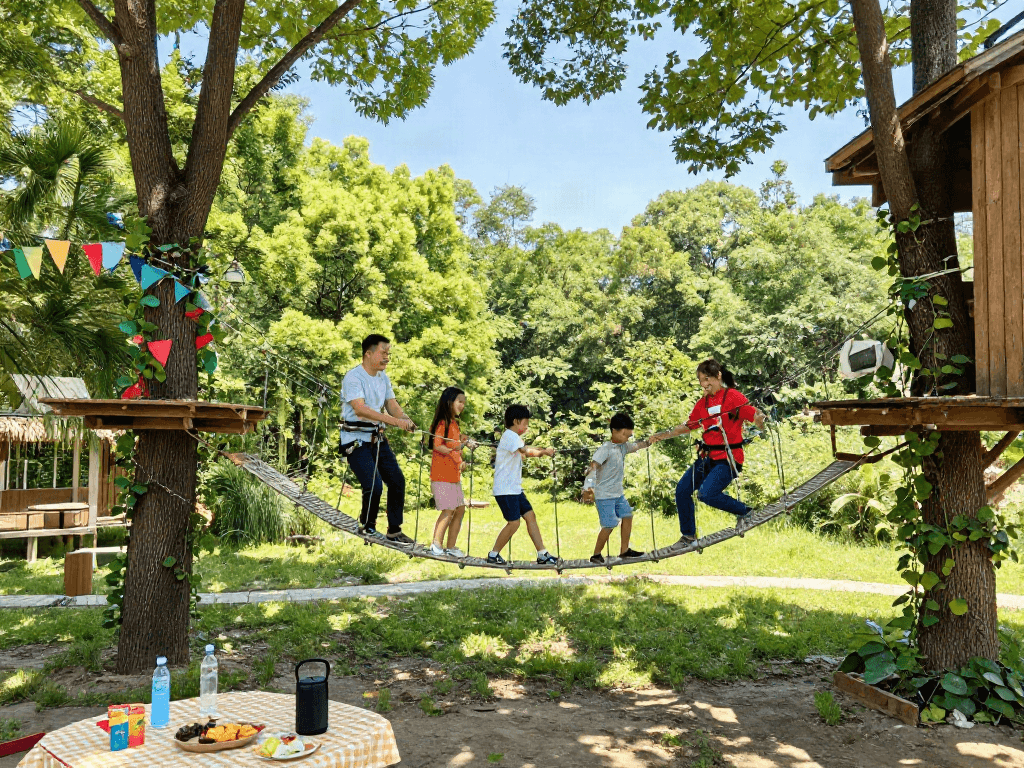
Understanding the Rope Bridge: Concept and Construction
The rope bridge, a marvel of engineering and creative design, serves as both a functional structure and a source of adventure. Commonly associated with treehouses and playgrounds, these bridges cater to various needs, from recreational play to safety measures in natural settings. When exploring options, Rope Bridge designs can profoundly enhance outdoor spaces, promoting physical activity and creative exploration.
What is a Rope Bridge?
A rope bridge is a type of bridge constructed primarily using ropes and cables, designed for pedestrian use and occasionally for carrying light loads. They are often seen spanning rivers or gorges, symbolising adventure and the spirit of exploration. The design typically features a walking surface made of planks, mesh, or a continuous rope structure, which is suspended from a framework of cables.
Types of Rope Bridges: An Overview
Rope bridges can be broadly classified into two categories: traditional and modern designs. Traditional rope bridges, such as the Inca rope bridges in Peru, are made from natural materials, including braided vegetation. Modern adaptations integrate synthetic materials for enhanced durability and safety. Here are some types of rope bridges:
- Suspension Bridges: Rely on cables hung between towers to support the deck.
- Truss Bridges: Feature a framework of triangles that distribute weight evenly.
- Beam Bridges: Use horizontal beams supported at each end, often combined with cables for stability.
Materials Used in Rope Bridge Construction
The choice of materials is crucial in constructing a reliable rope bridge. Traditional bridges often utilise natural fibers such as sisal or jute, while modern designs favour synthetic options like polyester or nylon ropes. These materials are chosen for their strength, flexibility, and resistance to weather conditions. Additional components may include:
- Wooden Planks: Used for the bridge deck, ensuring good grip and comfort.
- Steel Cables: Provide strength and support to the overall structure.
- Metal Hardware: Connects various parts and offers reinforcement.
Designing Your Own Rope Bridge
Creating your own rope bridge can be an exciting project, transforming an ordinary backyard into an extraordinary adventure zone. Whether you're building for children or simply as a fun architectural challenge, proper planning is essential for a successful outcome.
Planning and Measuring for Safety
Before you begin construction, consider the location and intended use of the rope bridge. Measure the distance between anchor points and ensure the area beneath is free from hazards. Safety is paramount; a well-designed rope bridge should accommodate the weight of users while providing a secure crossing.
Essential Tools and Equipment Needed
Gathering the right tools and equipment is vital for efficient construction. Key items required include:
- Measuring Tape: For accurate measurements.
- Drill: To create holes for fasteners.
- Rope Cutters: To neatly trim ropes to the desired length.
- Safety Gear: Helmets, gloves, and harnesses should be worn during construction.
Step-by-Step Construction Process
The construction process can typically be broken down into several key steps:
- Determine the Bridge Design: Sketch your bridge layout, deciding on the type and length.
- Install Anchor Points: Securely anchor your bridge using sturdy posts or trees.
- Attach Cables: String cables between anchors to form the main support structure.
- Build the Deck: Lay planks or mesh securely across the cables for the walking surface.
- Final Safety Checks: Examine the bridge for stability and make adjustments as necessary.
Benefits of Rope Bridges in Play Areas
Rope bridges offer numerous advantages, especially when incorporated into play areas designed for children. They not only provide thrilling experiences but also encourage a range of developmental benefits.
Enhancing Outdoor Play for Kids
In an era where screen time often outweighs outdoor activities, rope bridges serve as an inviting feature that inspires children to play outside. The sense of adventure and exploration associated with crossing a rope bridge can turn a simple backyard into a dynamic play space.
Promoting Physical Activity and Coordination
Using a rope bridge requires balance, coordination, and muscle strength, making it an excellent tool for physical development. Climbing, balancing, and traversing all contribute to improving motor skills and overall fitness in young users.
Encouraging Creative Play and Imagination
Rope bridges can spark imaginative play, allowing children to create elaborate scenarios or embark on imaginary quests. Whether crossing a perilous gorge or rescuing a stranded pirate, the opportunities for play are limitless.
Maintenance and Safety Considerations
Maintaining the integrity of a rope bridge is essential to ensure it remains safe and enjoyable for users. Regular inspections and maintenance tasks will extend its lifespan significantly.
Regular Inspections: What to Look For
Conduct routine checks every few months to identify wear and tear. Key areas to inspect include:
- Cables and ropes for fraying or degradation.
- Deck surfaces for looseness or damage.
- Anchor points for stability and security.
Common Repairs for Rope Bridges
Repairs may include replacing frayed ropes, re-tightening cables, or replacing damaged deck boards. Addressing these issues promptly ensures the bridge remains safe to use.
Safety Tips for Users of All Ages
To maximise safety while using a rope bridge:
- Limit Weight: Ensure the bridge is not overloaded.
- Supervise Young Children: Always monitor younger users during play.
- Implement Rules: Establish clear guidelines for safe use.
Future Trends in Rope Bridge Design and Use
The future of rope bridge design looks promising, with emerging trends focusing on sustainability and technology integration. These advancements will likely redefine how rope bridges are constructed and enjoyed.
Innovative Materials and Sustainable Practices
As societies grow increasingly aware of environmental impacts, the selection of materials for rope bridges is evolving. Sustainable ropes made from recycled plastics and eco-friendly wood will become more common, promoting responsible construction practices.
The Role of Technology in Enhancing Safety
Advancements in technology can enhance the safety of rope bridges. Smart sensors that detect wear and send alerts regarding the structural integrity of a bridge may become standard features that ensure user safety.
Potential Applications Beyond Backyards: Public Spaces
Rope bridges will find broader applications, extending beyond residential use. Public parks and community spaces can benefit from these structures, attracting visitors and promoting outdoor activity.
What is a rope bridge called?
Rope bridges are also commonly referred to as suspension bridges or swaying bridges, particularly when they use flexible cables to support the deck.
How do you make a rope bridge?
Creating a rope bridge involves planning, measuring, securing anchor points, and carefully constructing the bridge deck using durable materials.
What type of rope is best for a rope bridge?
Polyester ropes are often recommended due to their strength, resistance to moisture, and ability to maintain structural integrity over time.
Can adults use a rope bridge?
Yes, many rope bridges can support the weight of adults, provided that the design and materials are appropriately chosen to ensure safety and stability.
Is a rope bridge safe for children?
When properly constructed and maintained, rope bridges can be safe for children, especially when supervised and used within established safety guidelines.