




1. Introduction to the g16 bulb
The g16 bulb is a versatile and increasingly popular lighting option in homes and businesses alike. As we navigate the world of illumination, understanding the features and benefits of specific bulb types is invaluable. This introduction aims to shed light on what g16 bulbs are, their characteristics, and the various settings in which they can be employed.
1.1 What is a g16 bulb?
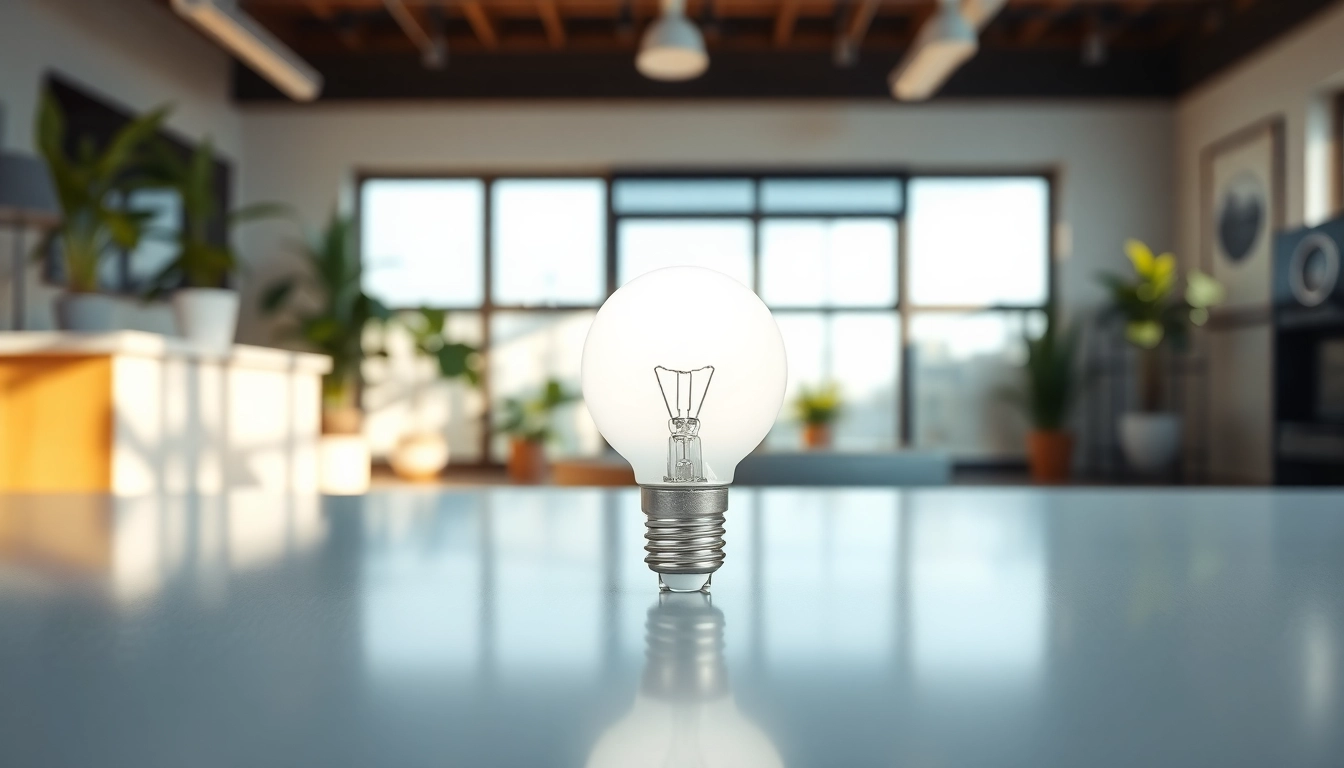
The g16 bulb, also known as a globe bulb, is named for its distinctive shape and size. Typically with a diameter of 2 inches, they can be found in both incandescent and LED varieties. g16 bulbs are favored in settings that require decorative lighting, offering a balance between functionality and aesthetics. Often used in chandeliers, pendant lights, and even specialty fixtures, these bulbs provide diffuse lighting that creates a warm and inviting atmosphere.
1.2 Key characteristics of g16 bulb
g16 bulbs possess several defining characteristics:
- Shape and Size: The spherical design is not only visually appealing but also allows for a 360-degree light distribution.
- Variety of Light Sources: Available in incandescent, halogen, and LED options, g16 bulbs cater to diverse energy preferences.
- Electrical Compatibility: Most g16 bulbs are designed to fit standard socket sizes, making them easily interchangeable with other lighting forms.
- Color Options: g16 bulbs come in various color temperatures, from warm whites to cool tones, allowing customization of ambiance.
1.3 Common applications for g16 bulb
Due to their aesthetic appeal and functional versatility, g16 bulbs are used in a variety of settings:
- Chandeliers: The round shape adds an elegant touch to hanging fixtures.
- Pendant Lights: Common in kitchens and dining areas, providing both lighting and style.
- Vanity Lights: Ideal for bathroom settings, lighting up mirrors without harsh shadows.
- Decorative Fixtures: Their design enhances the overall aesthetic of creative lighting installations.
2. Advantages of using g16 bulb
Choosing the right bulb can significantly impact energy consumption and overall lighting efficiency. Here are the notable advantages of g16 bulbs:
2.1 Energy efficiency of g16 bulb
One of the most compelling reasons to consider the g16 bulb is its energy efficiency. In the case of LED g16 bulbs, they deliver considerable illumination while consuming far less power compared to traditional incandescent bulbs. This can lead to lower energy bills while also reducing environmental impact. For instance, a standard 40-watt incandescent g16 can be replaced by a 5-10 watt LED version, making a significant difference in energy use without sacrificing brightness.
2.2 Longevity and durability
g16 bulbs, particularly LEDs, are designed for longevity. While incandescent bulbs may last around 1,000 hours, LED g16 bulbs can last up to 25,000 hours or more, dramatically reducing the need for frequent replacements. This durability also means less waste and lower overall costs related to maintenance and replacements, enhancing their appeal to environmentally conscious consumers.
2.3 Versatile design options
The aesthetic appeal of g16 bulbs contributes to their versatility. With a variety of finishes including clear, frosted, and even colored glass, these bulbs can easily blend into various decor themes. This flexibility allows them to enhance both modern and classic interiors without sacrificing functionality. Furthermore, many g16 bulbs are now available with smart technology, allowing for remote control, color changing, and integration with home automation systems.
3. How to choose the right g16 bulb
When selecting a g16 bulb, several factors should be considered to ensure you make the best choice for your needs:
3.1 Understanding brightness and wattage
Brightness is typically measured in lumens, and understanding the relationship between wattage and brightness is essential. For example, an older 40-watt incandescent g16 bulb emits about 450 lumens. When switching to an LED version, aim for a bulb that provides a similar lumen output with significantly lower wattage. Evaluating the required brightness helps you select the right bulb for each application.
3.2 Color temperature variations
Color temperature is key to creating the desired ambient lighting. g16 bulbs come in a range of color temperatures, typically measured in Kelvin (K):
- Warm White (2700K-3000K): Creates a cozy, inviting atmosphere.
- Neutral White (3500K-4100K): Modern and versatile, suitable for various applications.
- Cool White (5000K-6500K): Ideal for workspaces, mimicking daylight and increasing alertness.
3.3 Compatibility with fixtures
Before purchasing g16 bulbs, it’s crucial to ensure they are compatible with your existing fixture. Most g16 bulbs are designed to fit standard sockets, but it’s essential to check for any specific requirements. Additionally, compatibility with dimmer switches should be assessed if you plan on adjusting brightness levels, as some LED g16 bulbs may not be suitable for use with standard dimmers without flickering.
4. Installation tips for g16 bulb
Installing a g16 bulb is generally straightforward, but some precautions and steps can help ensure safety and longevity:
4.1 Safety precautions during installation
Prior to installation:
- Turn off power to the fixture at the breaker box to prevent any electrical hazards.
- Allow any previously used bulbs to cool if they were recently on, as they may be hot to touch.
- Use protective goggles if height is involved, and a sturdy step stool or ladder.
4.2 Step-by-step installation guide
To install a g16 bulb:
- Safety first: Ensure the power is off.
- Remove the old bulb by twisting it counterclockwise.
- Inspect the socket for any damage or debris and clean as needed.
- Take the new g16 bulb and align it with the socket.
- Carefully insert the base and twist it clockwise until secure.
- Restore power and test the new bulb.
4.3 Troubleshooting common issues
If you encounter issues such as flickering, dim lighting, or no illumination, consider these troubleshooting steps:
- Ensure the bulb is securely screwed into the socket.
- Check the circuit breaker to confirm power is restored.
- Inspect the bulb for defects if problems persist, as faulty bulbs may need replacement.
5. Frequently Asked Questions
5.1 What makes a g16 bulb energy-efficient?
g16 bulbs, particularly LED variants, consume significantly less wattage while providing the same lumen output as incandescent bulbs, leading to lower energy consumption.
5.2 Can I use a g16 bulb outdoors?
Yes, as long as the bulb is rated for outdoor use. Ensure the bulb can withstand varying weather conditions and is moisture-resistant.
5.3 What are the common wattage options for g16 bulb?
Common wattage options for g16 bulbs range from 5 watts for LEDs to 40 watts for incandescent types, depending on the required brightness level.
5.4 How long does a g16 bulb last?
LED g16 bulbs can last up to 25,000 hours, while incandescent versions typically last around 1,000 hours, significantly reducing replacement frequency.
5.5 Are g16 bulbs dimmable?
Many g16 LED bulbs are dimmable, but it’s crucial to verify compatibility with dimmer switches to avoid flickering or reduced lifespan.



More Stories
NSFW AI Chat Scored: Our Rating System Reveals All
Top Quality Choices for Steel Toed Boots Canada: A Comprehensive Guide
Top Benefits and Features of the Elf Bar for Vaping Enthusiasts